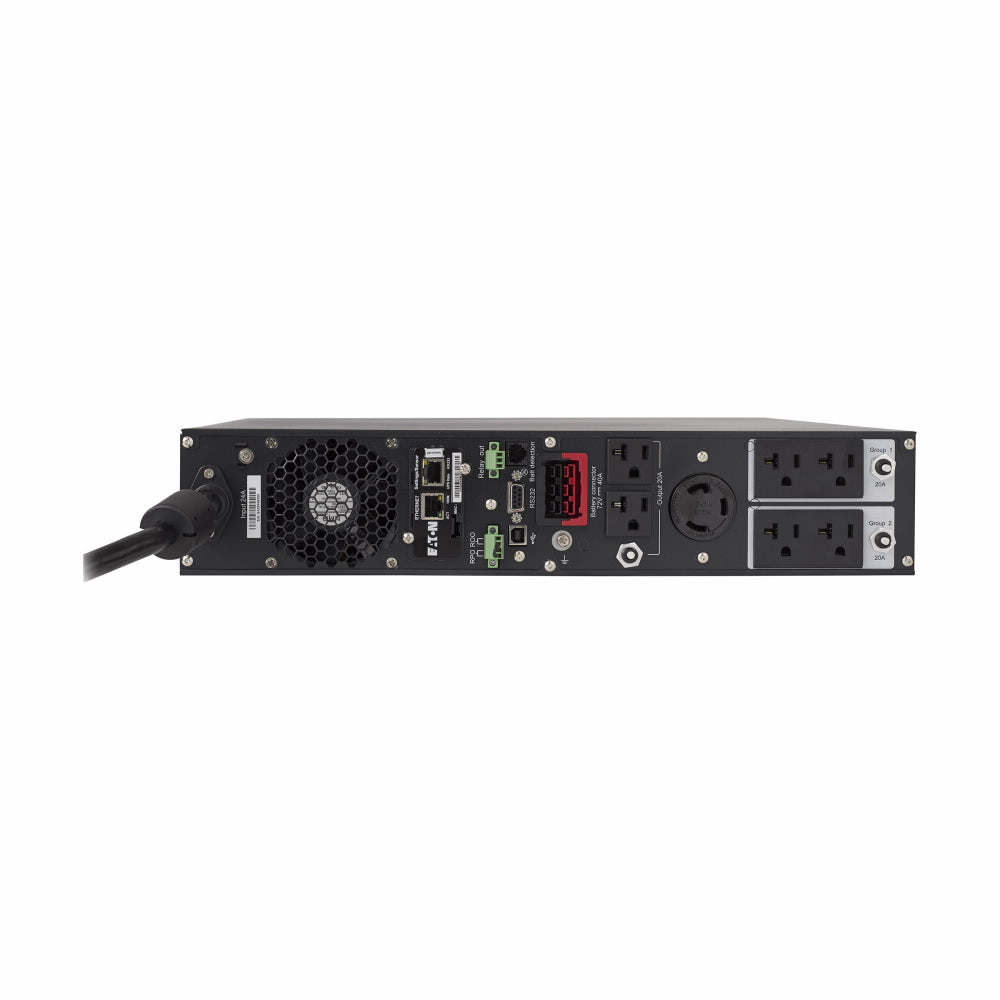
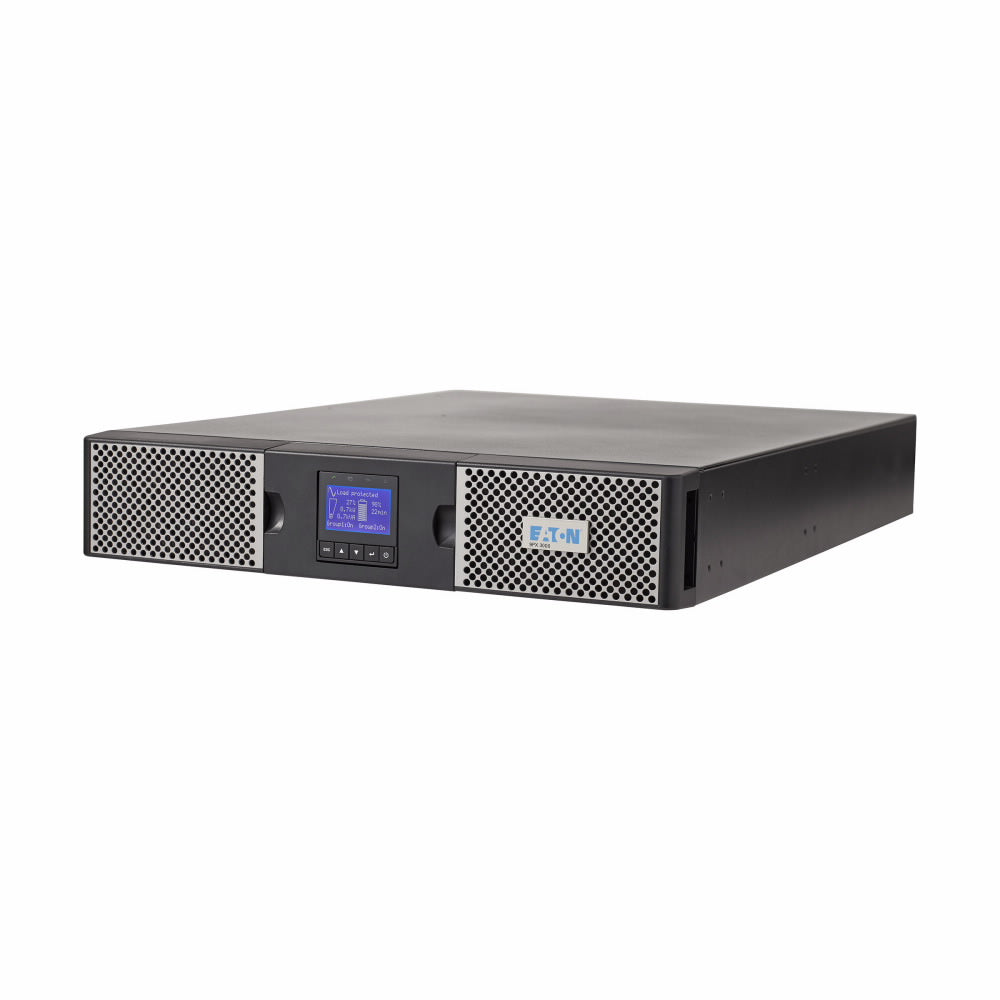
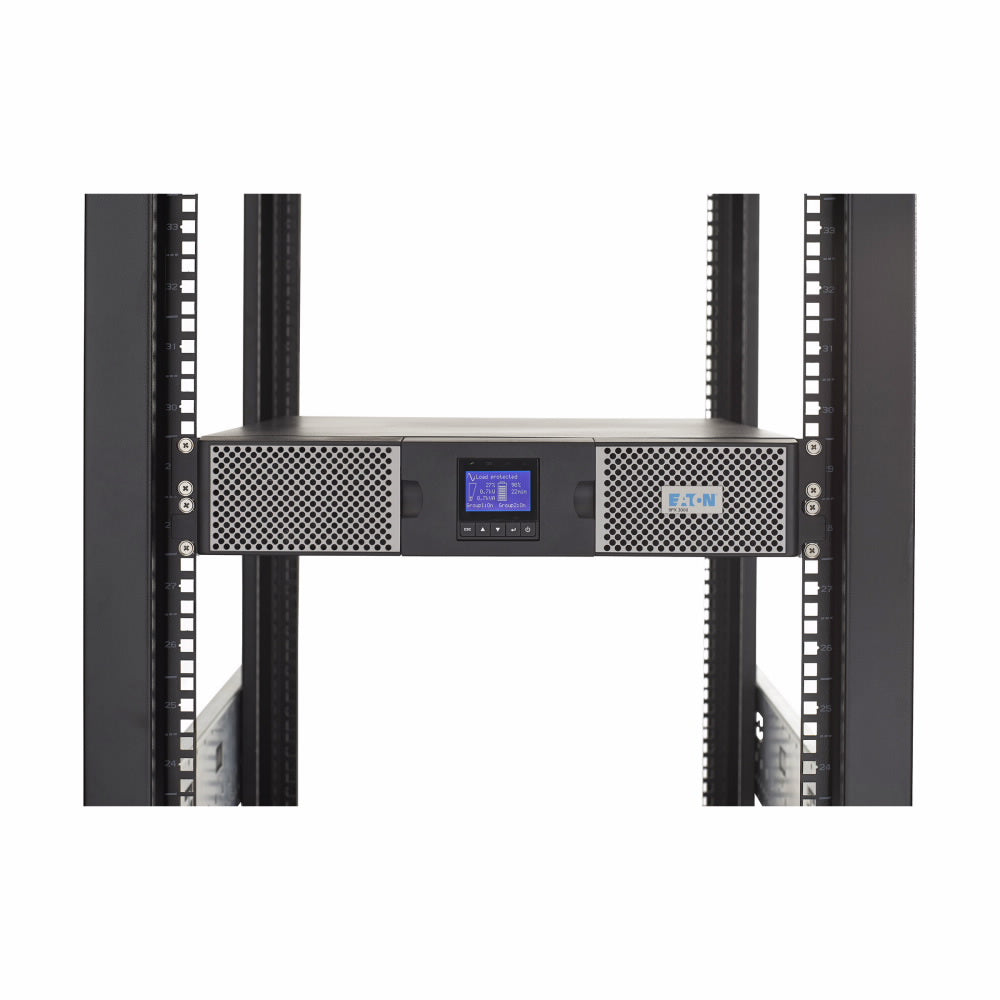
Choosing the right Uninterruptible Power Supply (UPS) isn’t just about size or price, it’s about matching the right level of protection to your business’s risk, uptime requirements, and future growth. One of the most common mistakes organizations make is underestimating the differences between entry-level, mid-range, and enterprise UPS systems.
In this guide, we’ll break down the real differences, help you understand which UPS category fits your application, and explain how choosing the right system can prevent downtime, equipment damage, and unexpected costs.
Why UPS Selection Matters More Than Ever
With increasing dependence on data centers, healthcare equipment, manufacturing automation, and IT infrastructure, power interruptions, even brief ones, can lead to:
- Costly downtime
- Data loss and corruption
- Equipment damage
- Safety and compliance risks
That’s why selecting the correct UPS system for your business is a critical infrastructure decision, not just an IT purchase.
Entry-Level UPS Systems: Basic Power Protection
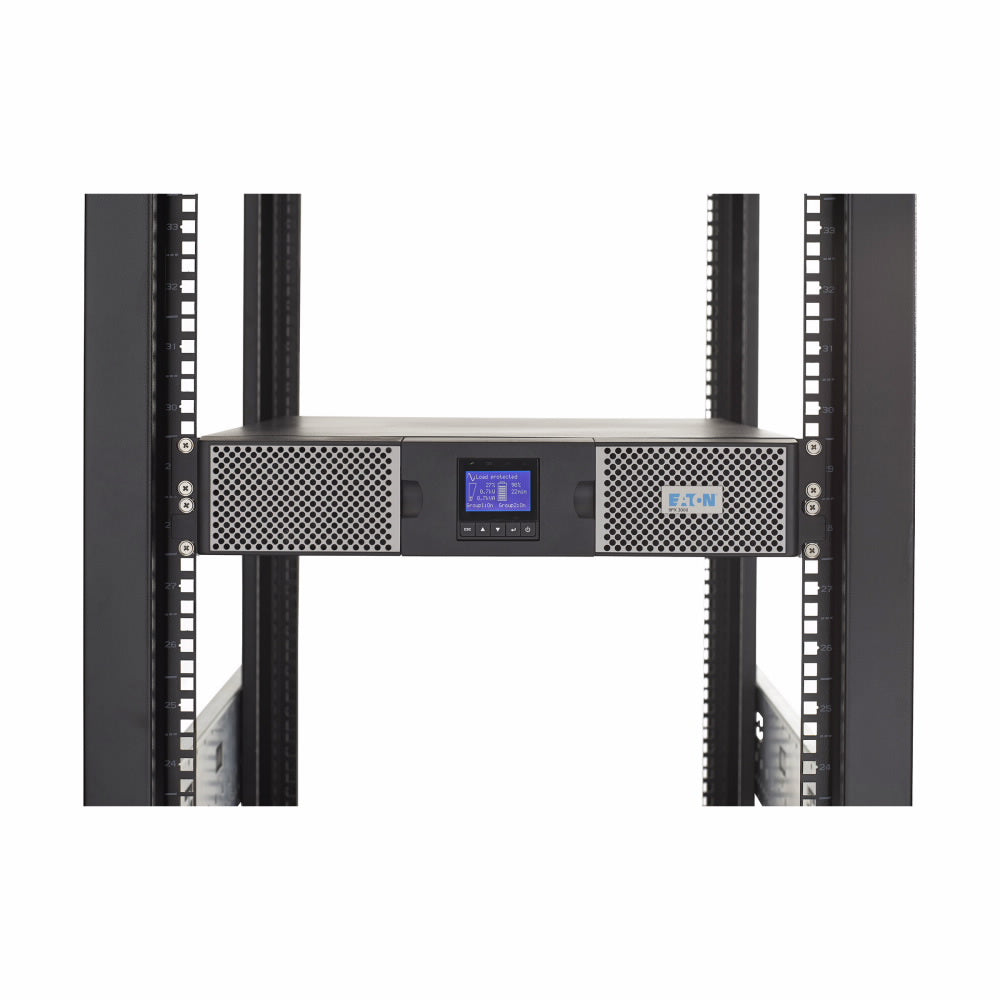
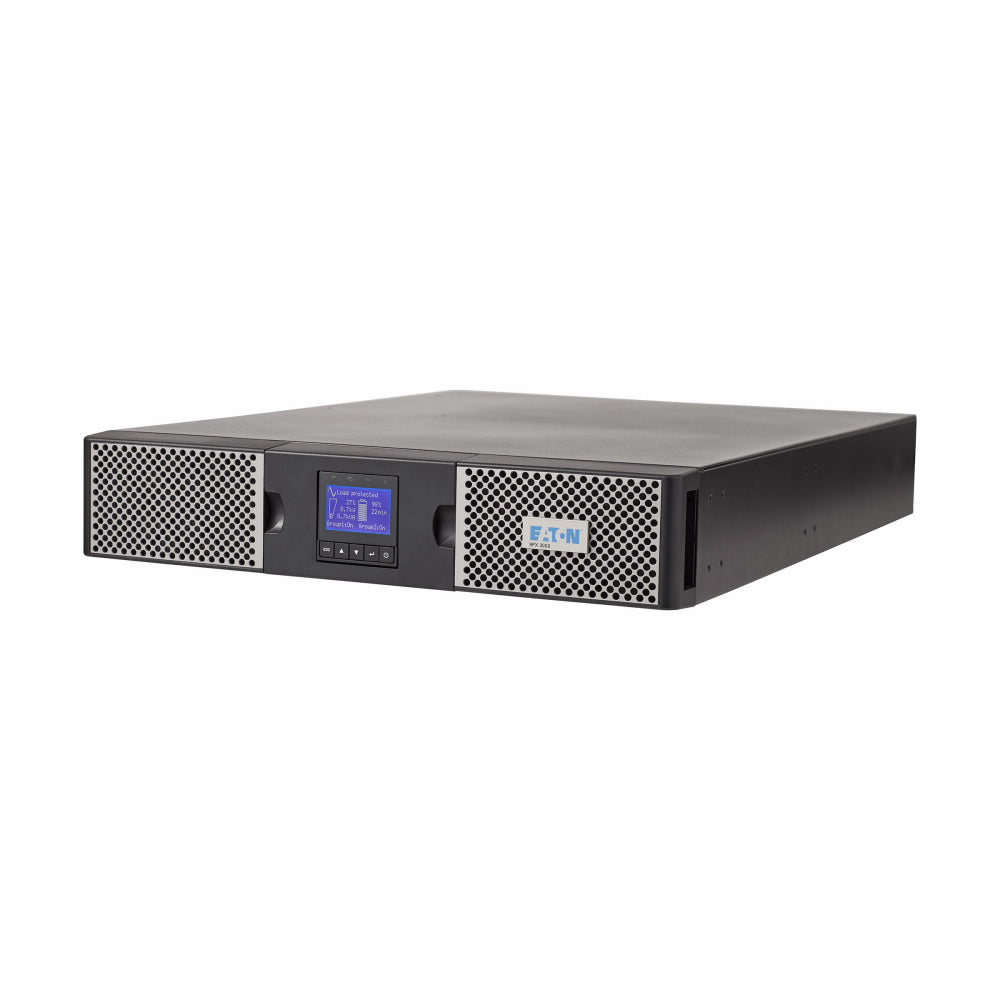
Entry-level UPS systems are designed for small-scale applications where short-term power protection is sufficient.
Best For:
- Small offices
- Individual servers or workstations
- Network closets
- Retail POS systems
Key Features:
- Typically single-phase UPS systems
- Lower power capacity (usually under 10 kVA)
- Short runtime with internal batteries
- Limited monitoring and scalability
Pros:
- Lower upfront cost
- Simple installation
- Compact footprint
Limitations:
- Minimal runtime during outages
- Limited redundancy
- Not designed for mission-critical environments
Mid-Range UPS Systems: Scalable and Reliable
Mid-range UPS systems bridge the gap between basic protection and enterprise-grade infrastructure. These systems are ideal for growing organizations that need flexibility, longer runtime, and better visibility.
Best For:
- Data rooms
- Healthcare clinics
- Manufacturing control systems
- Commercial buildings
Key Features:
- Single-phase or three-phase UPS options
- Power capacities typically between 10–100 kVA
- External battery cabinets for extended runtime
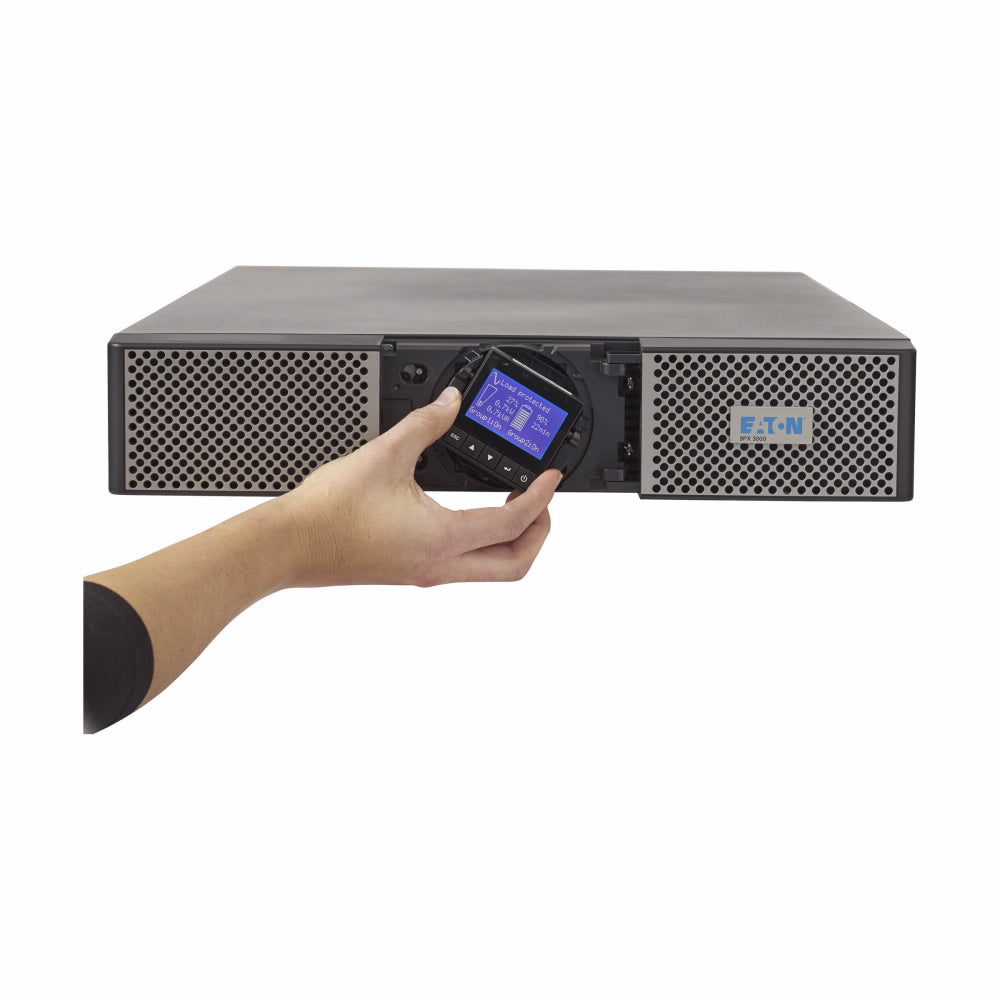
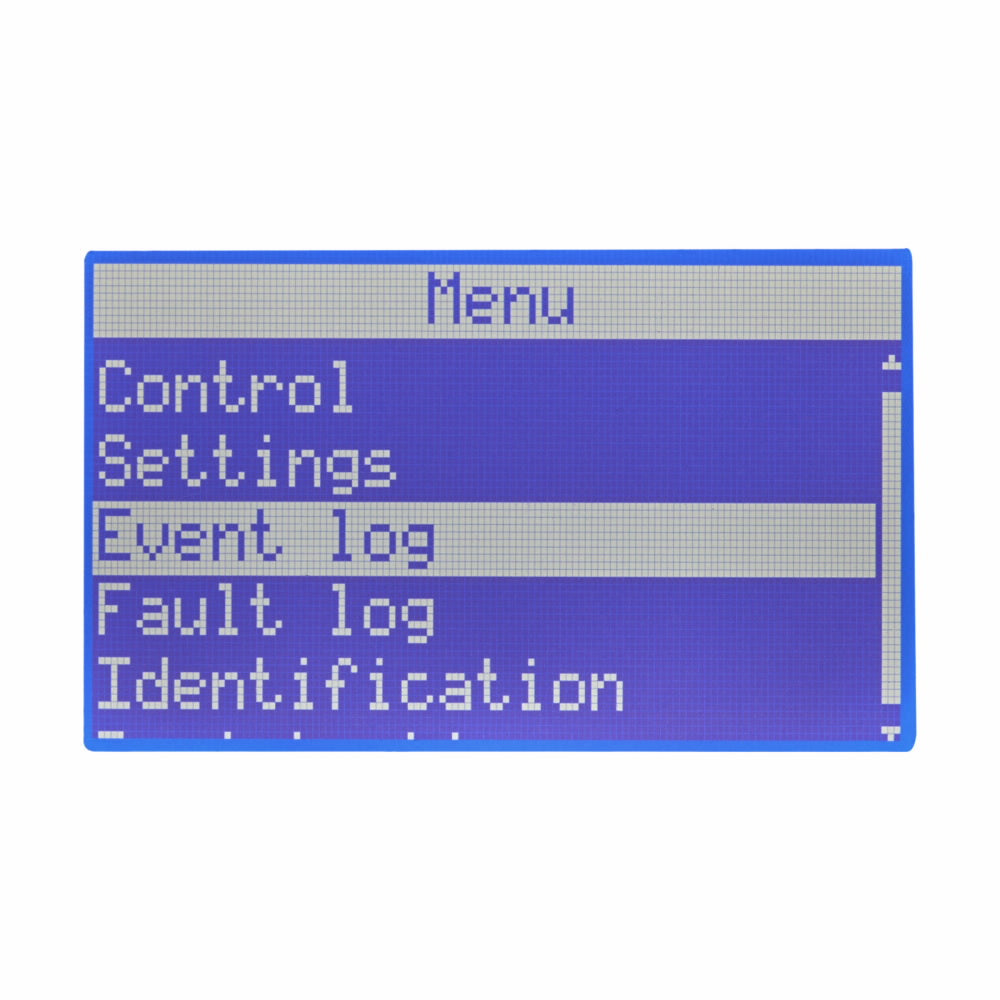
- Network monitoring cards and alarms
- Higher efficiency and lower operating costs
Pros:
- Scalable runtime and capacity
- Improved reliability and monitoring
- Better protection for critical loads
Limitations:
- Higher cost than entry-level systems
- Requires more planning and space
Enterprise UPS Systems: Mission-Critical Power Protection
Enterprise UPS systems are engineered for environments where downtime is not an option. These systems support high loads, advanced redundancy, and long-term growth.
Best For:
- Data centers
- Hospitals and healthcare facilities
- Industrial and manufacturing plants
- Financial institutions
- Large commercial facilities
Key Features:
- High-capacity three-phase UPS systems (100 kVA and above)
- Redundant configurations (N+1, 2N)
- Advanced monitoring and remote management
- Integration with generators and energy management systems
- High-efficiency designs to reduce energy costs
Pros:
- Maximum uptime and reliability
- Designed for long-term scalability
- Superior protection for mission-critical operations
Limitations:
- Higher upfront investment
- Requires professional design, installation, and maintenance
Side-by-Side UPS Comparison
| Feature | Entry-Level UPS | Mid-Range UPS | Enterprise UPS |
| Power Capacity | < 10 kVA | 10–100 kVA | 100+ kVA |
| Phase Type | Single-phase | Single or Three-phase | Three-phase |
| Runtime | Short | Extendable | Long-duration |
| Scalability | Limited | Moderate | High |
| Monitoring | Basic | Advanced | Enterprise-grade |
| Best Use | Small offices | Growing businesses | Mission-critical facilities |
When selecting a UPS, consider more than just your current load. Ask these questions:
- How much downtime can your operation tolerate?
- Do you expect future load growth?
- Is redundancy required for compliance or safety?
- How long must systems stay online during an outage?
A UPS should be sized and designed for both today’s needs and tomorrow’s growth.
Why Partnering With a UPS Expert Matters
The biggest difference between UPS failures and UPS successes isn’t always the equipment, it’s the strategy behind it. Working with a knowledgeable UPS partner ensures:
- Proper sizing and load analysis
- Right-fit battery runtime
- Future scalability
- Reduced total cost of ownership
At Critical Parts Warehouse (CPW), we help businesses evaluate, source, and support UPS systems across all tiers — from entry-level to enterprise solutions.
Contact Critical Parts Warehouse today and plan smarter power protection with expert UPS and battery backup guidance.