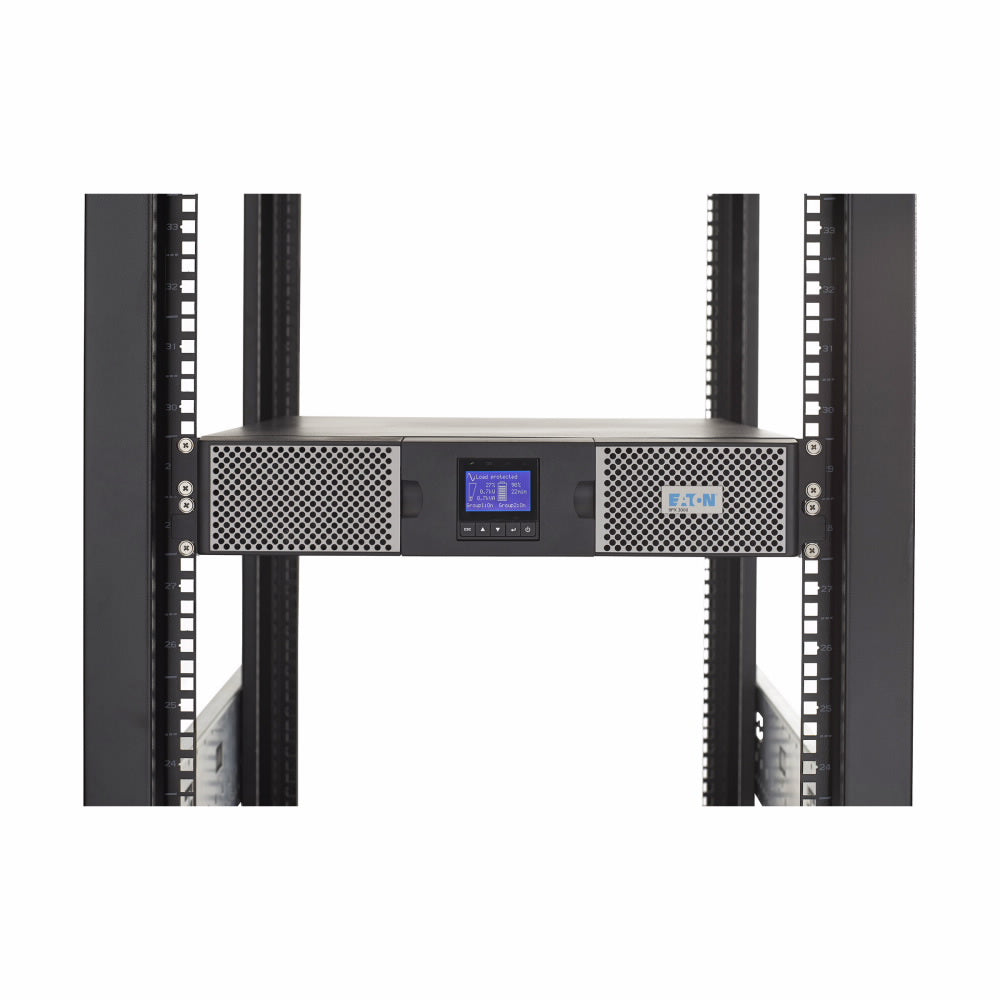
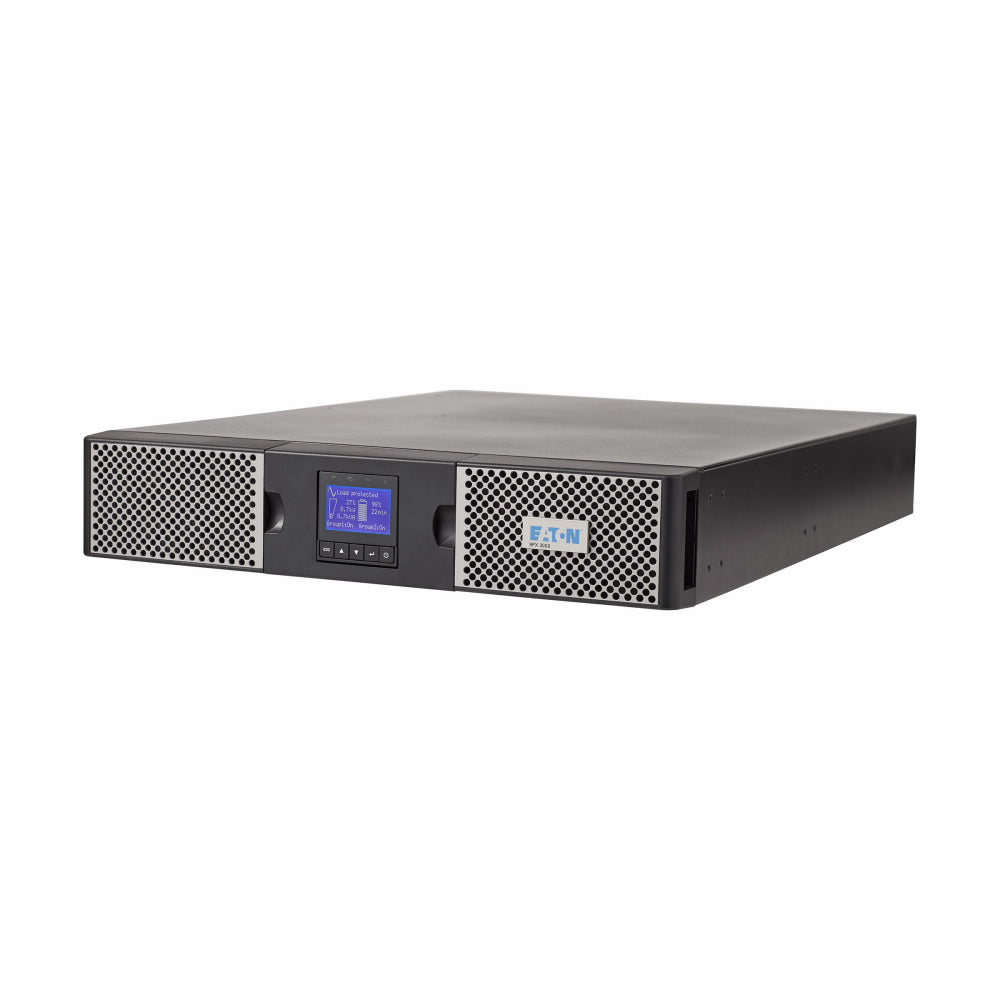
As winter begins to fade and facilities start their spring maintenance routines, many teams focus on HVAC systems, generators, and electrical inspections. While these systems are critical, there’s one component that often gets overlooked during seasonal facility checks: Lighting inverters
Lighting inverters play a vital role in keeping buildings safe and compliant. When utility power fails, these systems automatically provide backup power to emergency lighting fixtures and exit signs, ensuring occupants can safely exit the building. If a lighting inverter system isn’t properly maintained, emergency lighting may not perform when it’s needed most. Why Lighting Inverters Matter for Building Safety
Lighting inverter systems are designed to support emergency lighting circuits during power interruptions. Unlike traditional UPS systems that protect IT equipment, lighting inverters are specifically designed to power egress lighting required by building and life-safety codes.
Facilities such as:
- Hospitals
- Schools and universities
- Commercial office buildings
- Industrial facilities
- Data centers
All rely on properly functioning emergency lighting systems to maintain safety during an outage.
Without a reliable lighting inverter system, emergency lighting can fail, creating serious safety risks and potential compliance violations.
Common Lighting Inverter Pain Points (and How to Fix Them)
Many facility managers assume their emergency lighting system will work when needed, but lighting inverter issues often go unnoticed until a test or outage reveals a problem. Below are some common challenges and how to address them.
1. Aging or Failing Batteries
The Problem:
Lighting inverter batteries typically last 3–5 years, but heat, improper storage conditions, and lack of maintenance can shorten that lifespan. Weak batteries may result in reduced runtime or total system failure during an outage.
The Fix:
Schedule routine battery inspections and replace aging batteries before they fail. Proactively replacing batteries ensures the inverter can provide the required emergency lighting runtime during an outage.
2. Systems Operating Without Regular Testing
The Problem:
Many facilities install lighting inverter systems but fail to conduct regular testing. Without periodic checks, issues like battery degradation, alarm faults, or system failures may go unnoticed.
The Fix:
Implement routine testing as part of your facility maintenance schedule. Reviewing system diagnostics and performing functional tests ensures the inverter will operate correctly during an emergency.
3. Inverters Supporting More Load Than Designed
The Problem:
Over time, facilities may add additional emergency lighting fixtures without verifying the inverter’s capacity. This can cause the system to become overloaded, preventing it from supporting all connected fixtures during an outage.
The Fix:
Conduct a load verification test to confirm the inverter is operating within its designed capacity. If loads have increased, upgrading the inverter or redistributing circuits can restore proper performance.
4. Lack of Monitoring or Visibility
The Problem:
Older lighting inverter systems may provide limited insight into system health. Without clear alerts or monitoring, issues can remain hidden until the system is needed most.
The Fix:
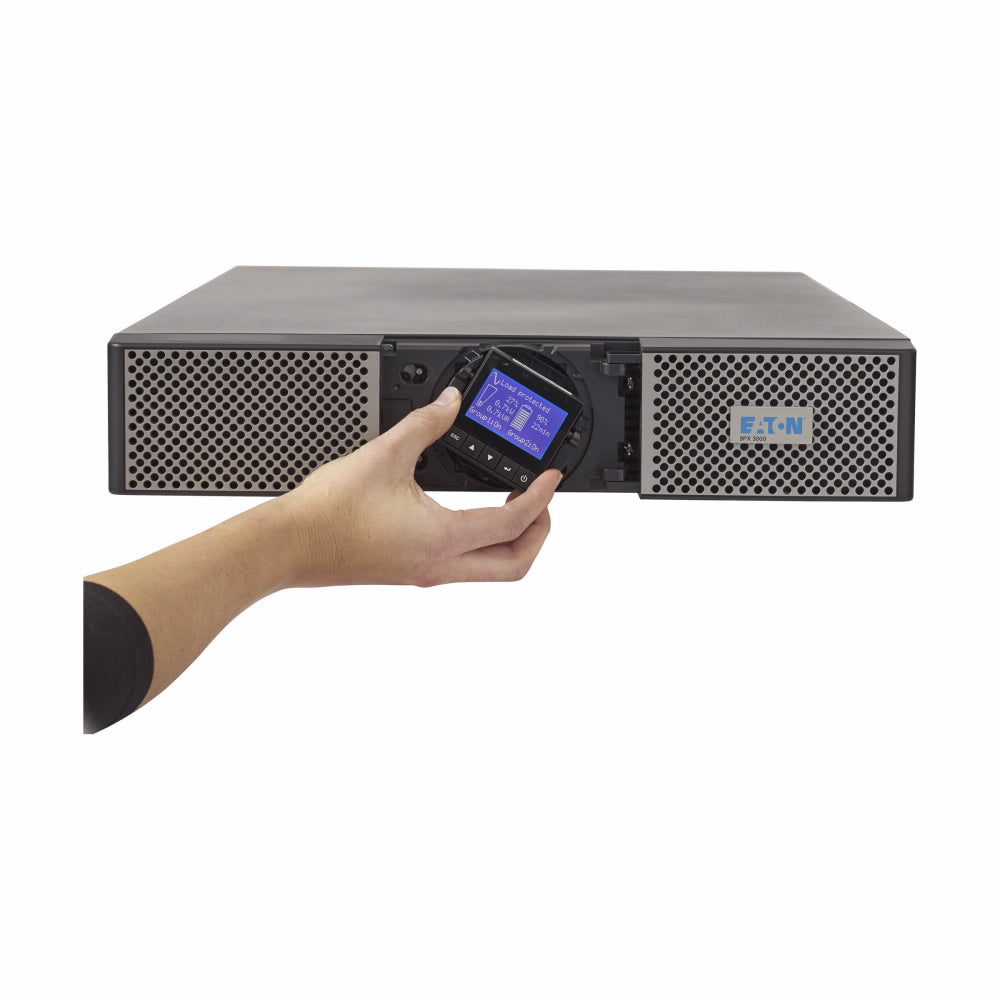
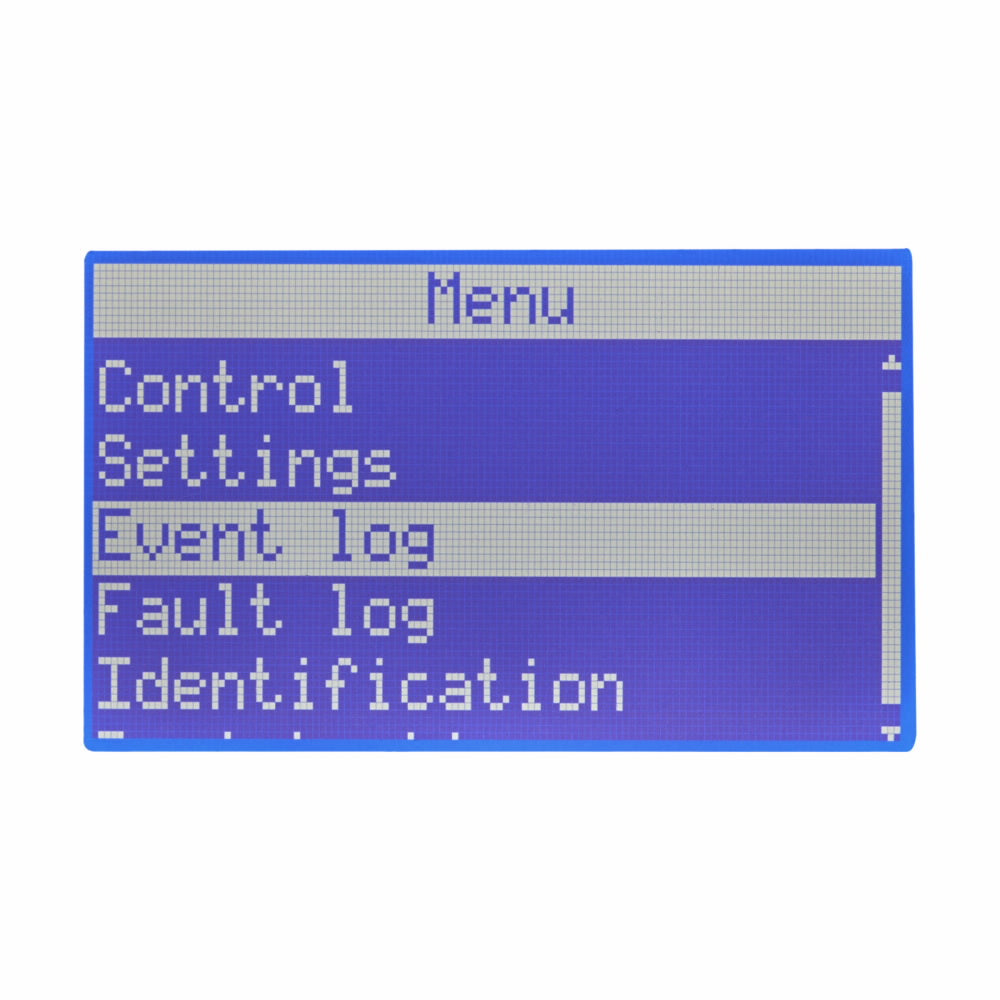
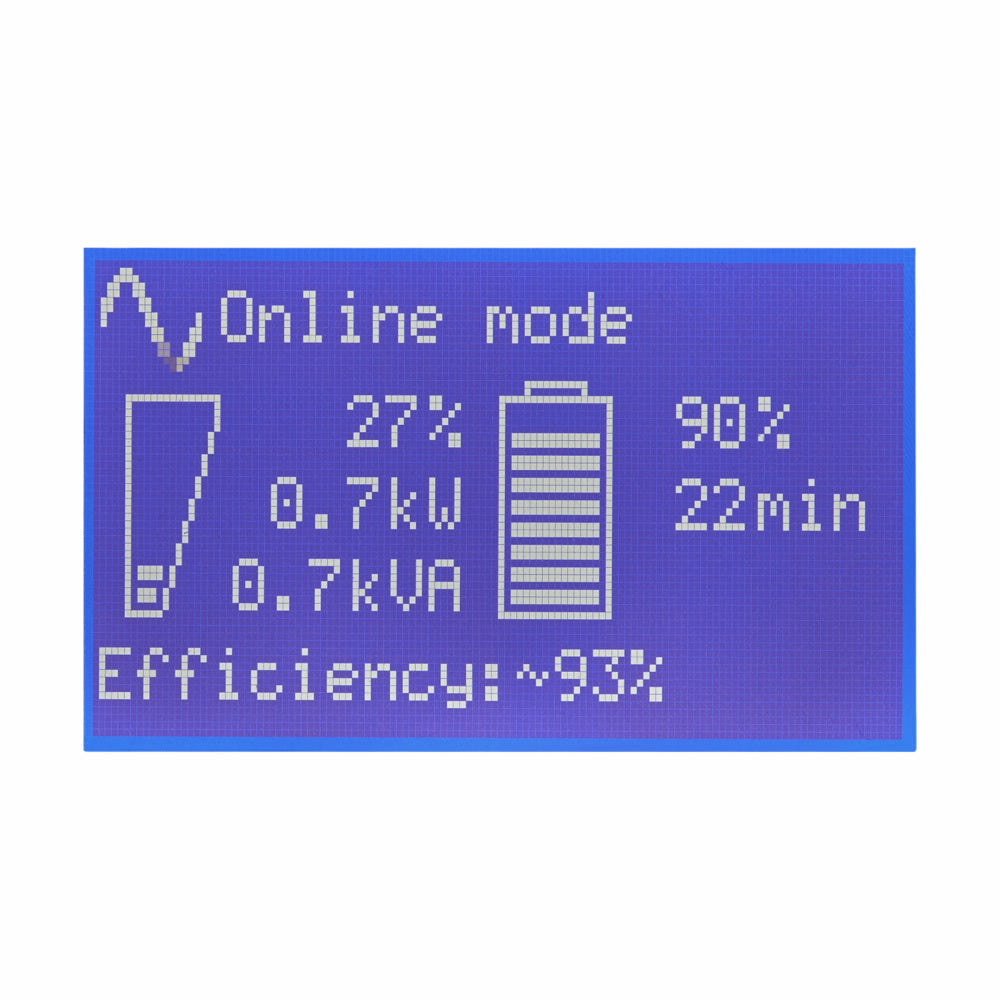
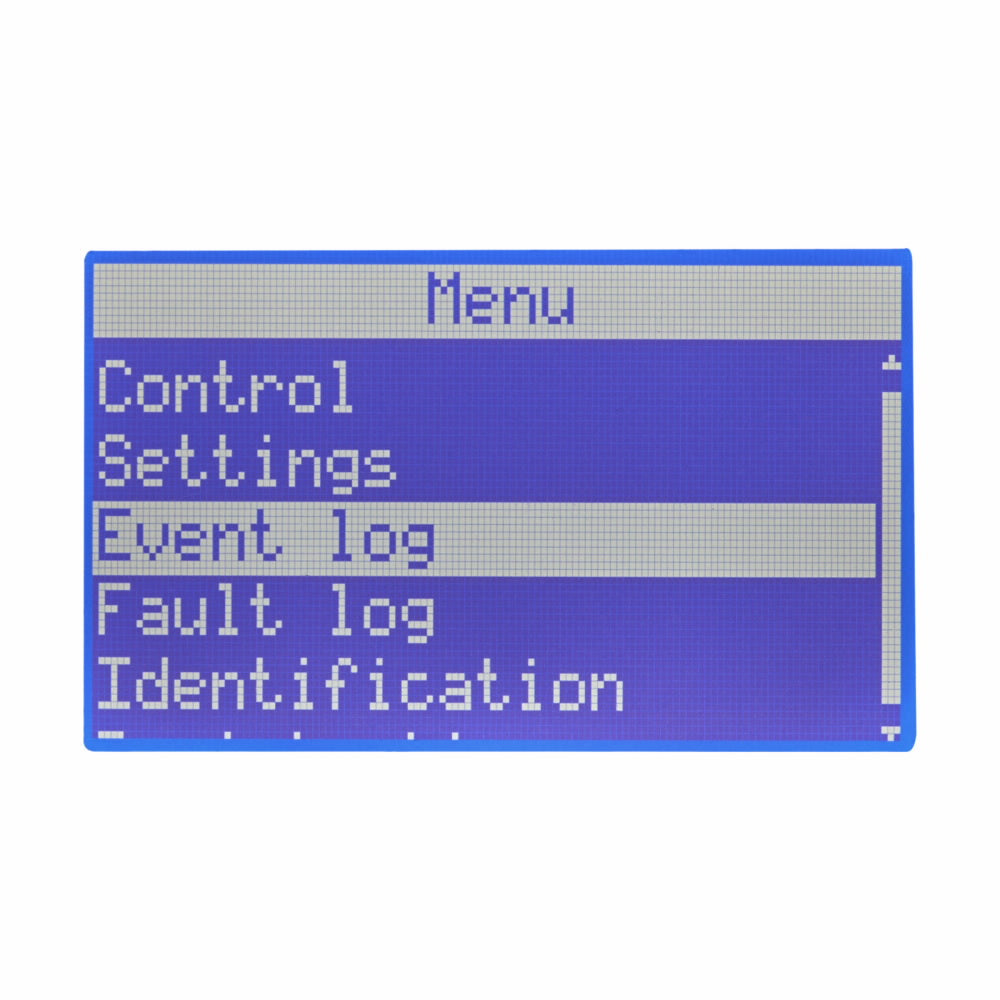
Regularly review the inverter’s display panel and alarm logs. In some cases, upgrading monitoring capabilities can help facility teams detect issues early and respond before a failure occurs.
Spring Is the Perfect Time for a System Check
Spring is an ideal time for facility managers to conduct preventative maintenance and system inspections. Seasonal checks help identify small issues before they turn into larger problems.
A spring lighting inverter inspection should include:
- Battery health check
- System diagnostics review
- Load verification
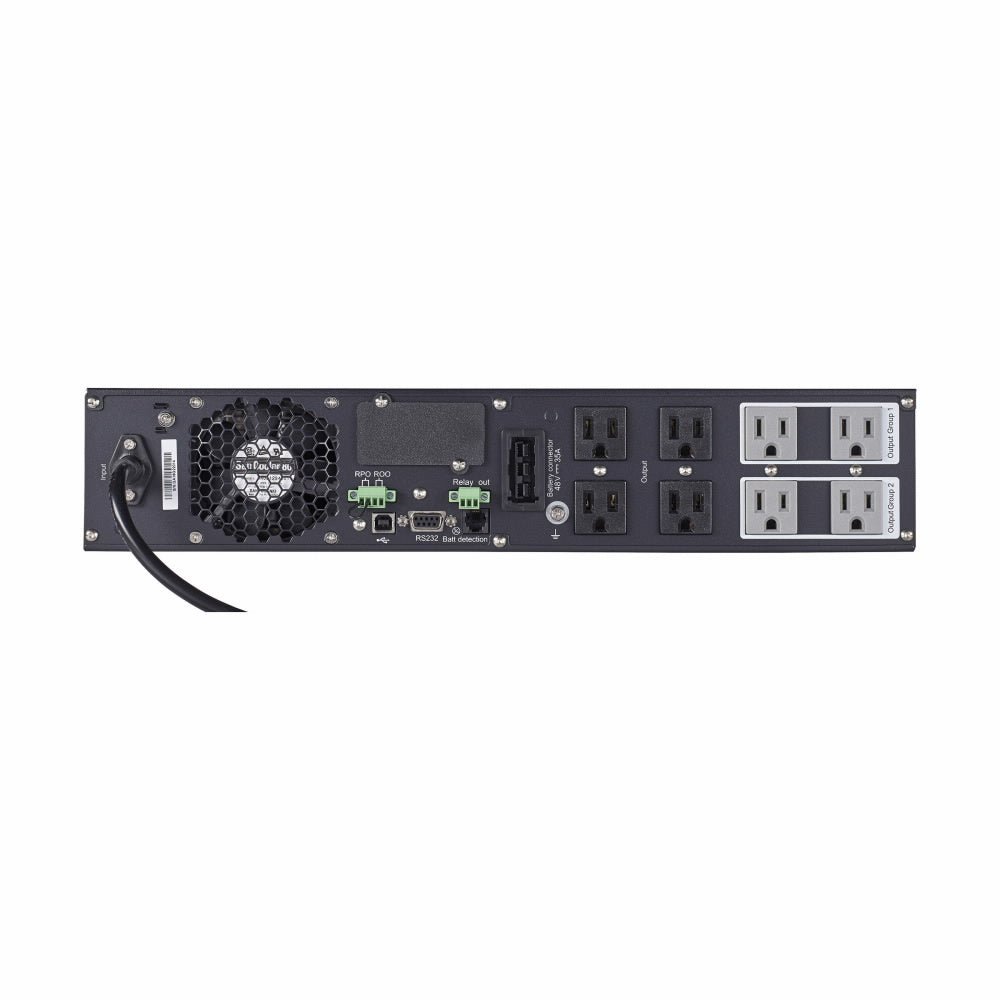
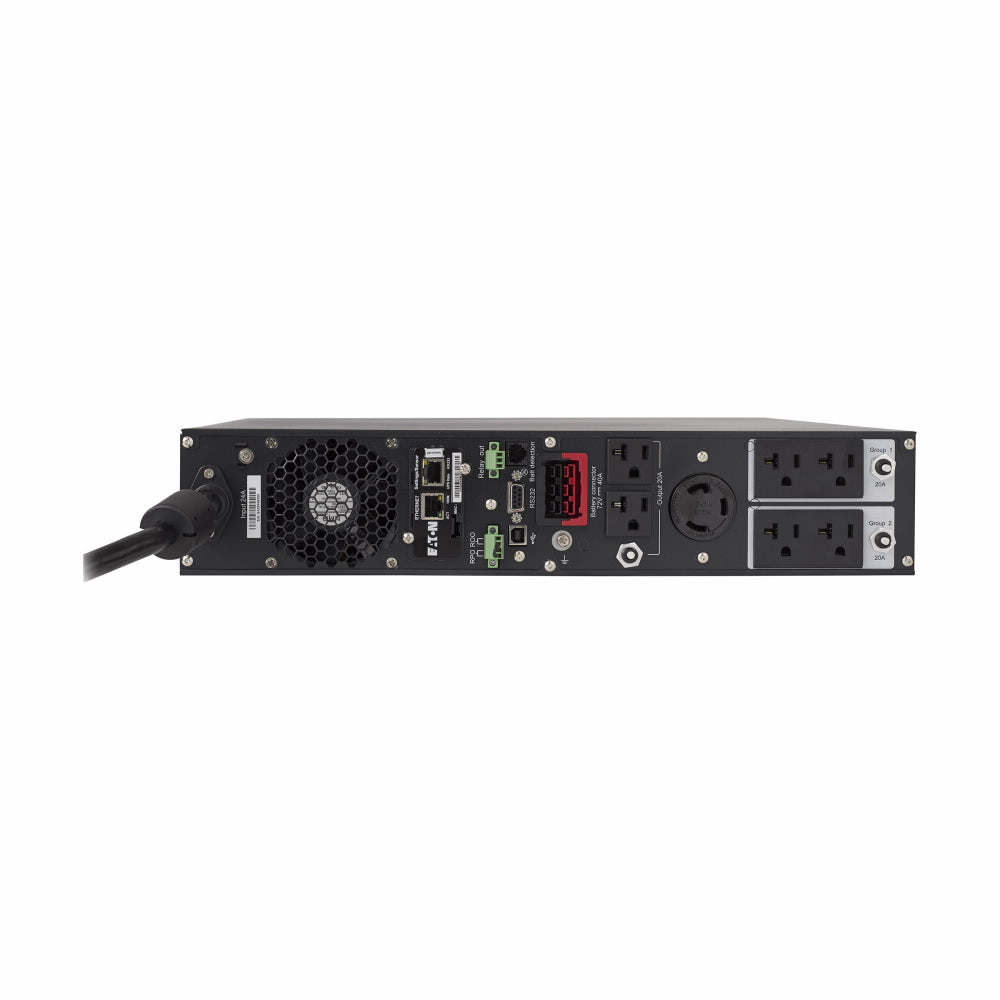
- Visual inspection of connections and ventilation
Taking a proactive approach to maintenance ensures the system is ready when it's needed most.
Preparing for Spring Storm Season
Spring storms are one of the most common causes of unexpected power outages. High winds, lightning, and grid disturbances can quickly take down utility power.
When the lights go out, emergency lighting must activate immediately and reliably.
Lighting inverter systems provide:
- Instant power transfer to emergency lighting circuits
- Consistent voltage for emergency lighting fixtures
- Code-compliant emergency illumination during outages
Routine maintenance helps ensure your system is ready when severe weather strikes.
Keep Your Facility Safe and Compliant
Lighting inverter systems are an essential part of a building’s life-safety infrastructure. Regular inspections and preventative maintenance help ensure emergency lighting operates correctly during a power outage.
As part of your spring facility check, take the time to review your lighting inverter system, confirm battery health, and verify that the system is operating at full capacity.
A quick inspection today can prevent a costly outage failure, safety risk, or compliance issue tomorrow.
Need a lighting inverter upgrade or battery replacement?
Don’t wait for a failure. Our team will evaluate your system, recommend the right solution, and keep your emergency lighting ready when it matters most.