Even if you’re not running a large-scale AI deployment, your facility is likely seeing:
- Increased rack density
- Higher continuous loads
- Greater cooling demand
- Zero-tolerance for downtime
And that’s putting new pressure on your UPS (Uninterruptible Power Supply) systems.
At CP Warehouse, we’re seeing it firsthand.
Let’s break down what’s happening — and what it means for your power protection strategy.

Higher Power Density Means Bigger UPS Requirements:
AI workloads rely heavily on GPU-based servers that draw significantly more power than traditional IT hardware.
Even smaller organizations adopting AI tools or high-performance computing are experiencing:
- Higher kW demand per rack
- Less headroom in electrical capacity
- Increased strain on legacy UPS systems
Many facilities that were previously comfortable with their single-phase or aging three-phase systems are now asking:
“Do we have enough capacity?”
If your UPS is consistently running above 70–80% load, you may be closer to risk than you think.
Runtime Expectations Are Increasing
As digital operations become more critical, short battery runtimes are no longer acceptable.
Customers are now asking for:
- Extended runtime configurations
- Scalable battery cabinets
- Lithium-ion battery upgrades
- Faster recharge times
Traditional VRLA batteries still serve many environments well, but lithium solutions are gaining traction because they offer:
- Smaller footprint
- Longer lifecycle
- Reduced maintenance
- Better performance in high-demand applications
We’re seeing more buyers explore lithium not just for efficiency — but for resilience.
Monitoring Is No Longer Optional
AI-driven environments demand uptime. That means customers are prioritizing:
- Network cards for remote monitoring
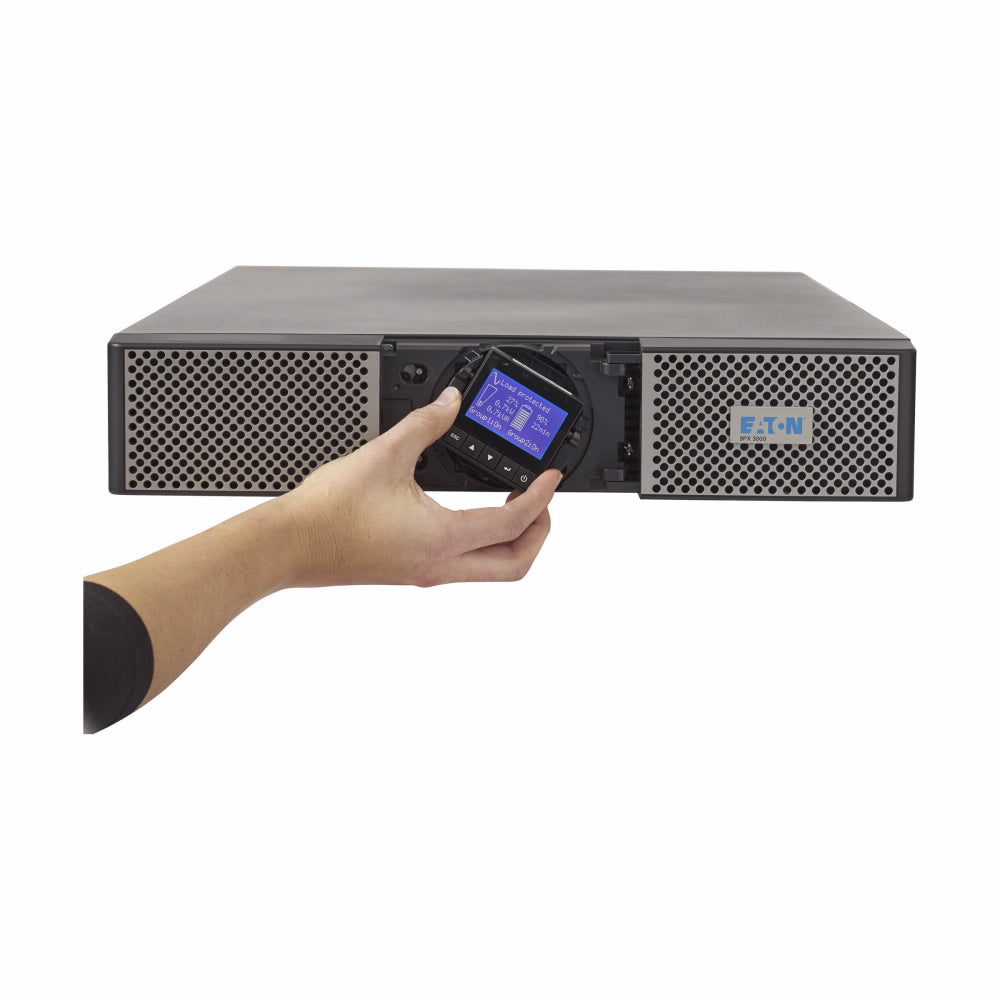
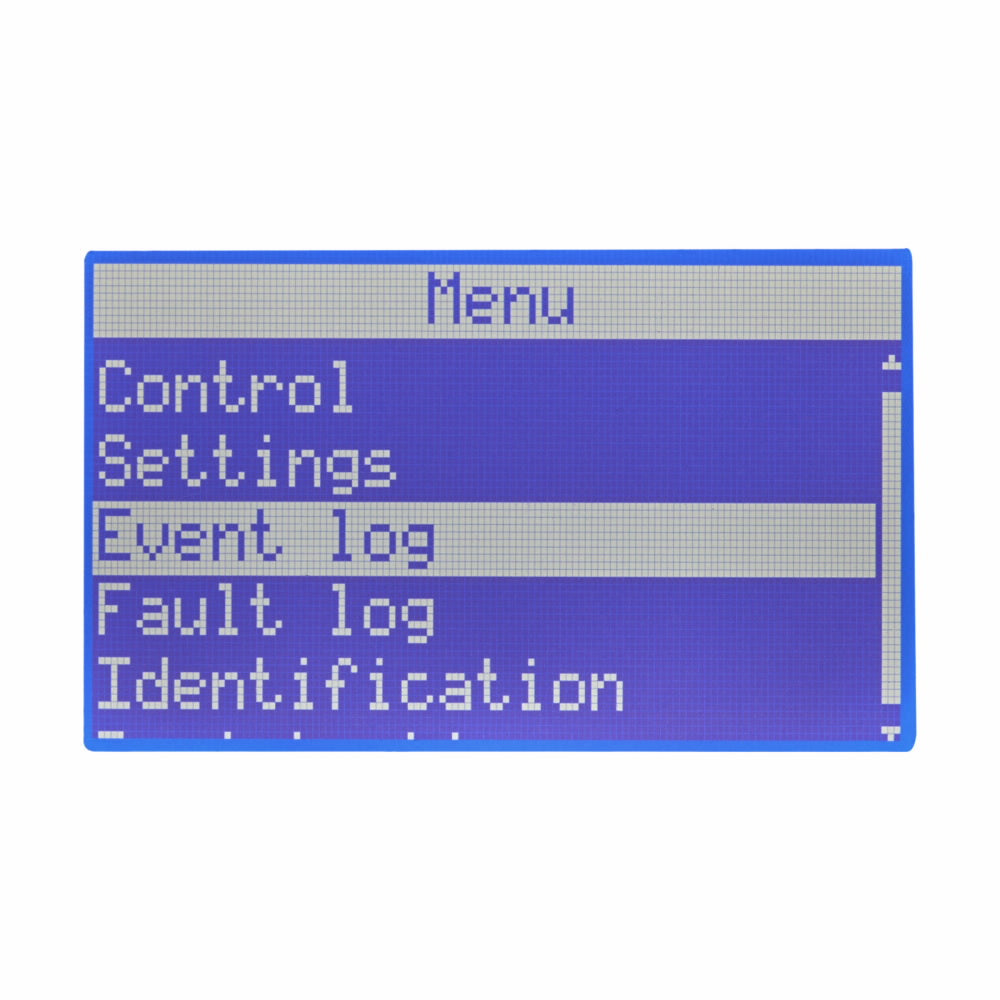
- Real-time load visibility
- Battery health tracking
- Predictive alerts
If your UPS isn’t connected, you’re operating blind.
Remote monitoring allows facilities teams to:
- Catch overload risks early
- Detect battery degradation
- Avoid surprise failures
- Reduce emergency service calls
In today’s environment, intelligent monitoring isn’t a luxury it’s operational foundation.
Scalability Is Becoming a Major Buying Factor
AI adoption doesn’t happen all at once. It grows.
That’s why modular and scalable UPS systems are becoming more attractive. Customers want systems that can:
- Add capacity without full replacement
- Expand battery runtime easily
- Adapt as rack density increases
Buying for today is no longer enough. Smart facilities are buying for where they’ll be in 3–5 years.
The Cost of Downtime Is Rising
As automation, analytics, and AI-driven systems expand, downtime becomes more expensive.
In healthcare, it impacts patient care.
In manufacturing, it halts production.
In data environments, it disrupts critical operations.
The tolerance for power interruptions continues to shrink.
This is driving demand for:
- Higher-quality UPS systems
- Preventative maintenance plans
- Battery health testing
- Redundant power architectures
What This Means for Your Facility
You don’t need to operate a hyperscale AI data center to feel these shifts.
If you are:
- Expanding server capacity
- Adding automation
- Running higher-density racks
- Increasing digital workloads
- Upgrading network infrastructure
Your UPS system deserves a second look.
How CP Warehouse Helps
At CP Warehouse, we specialize in:
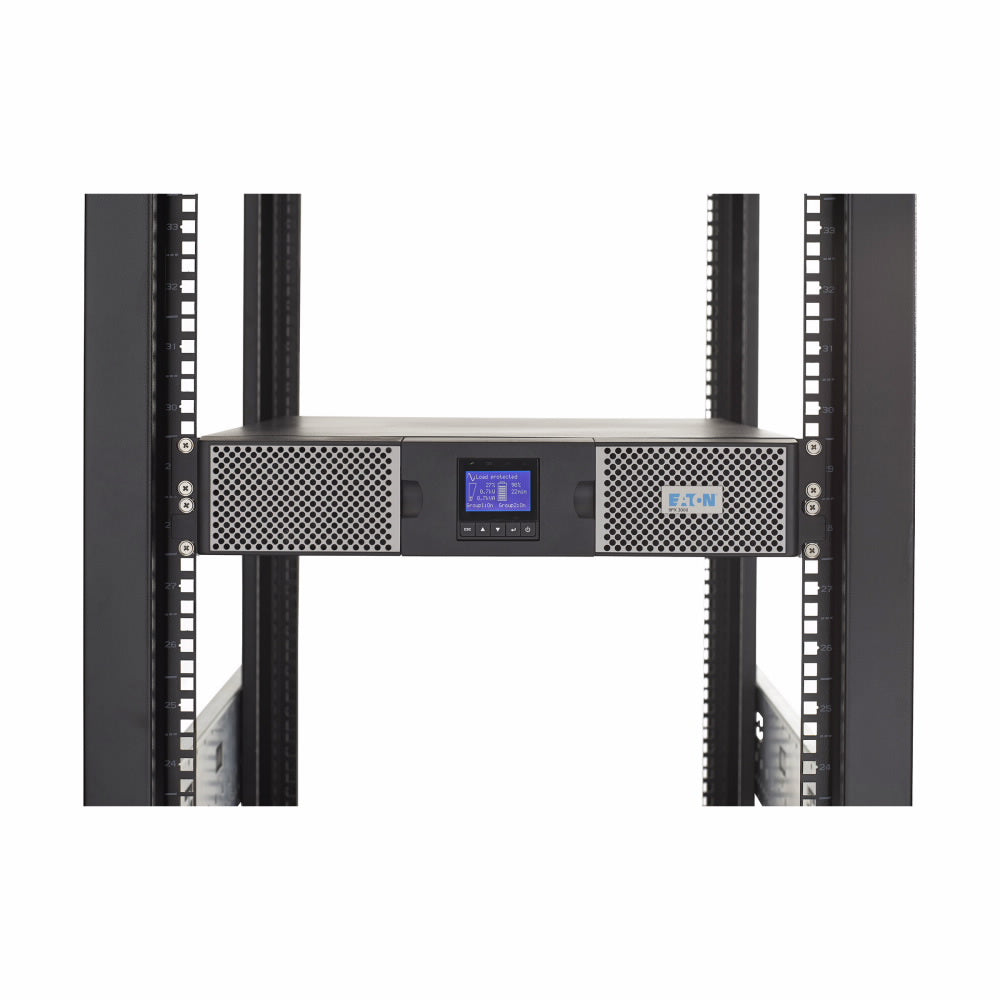
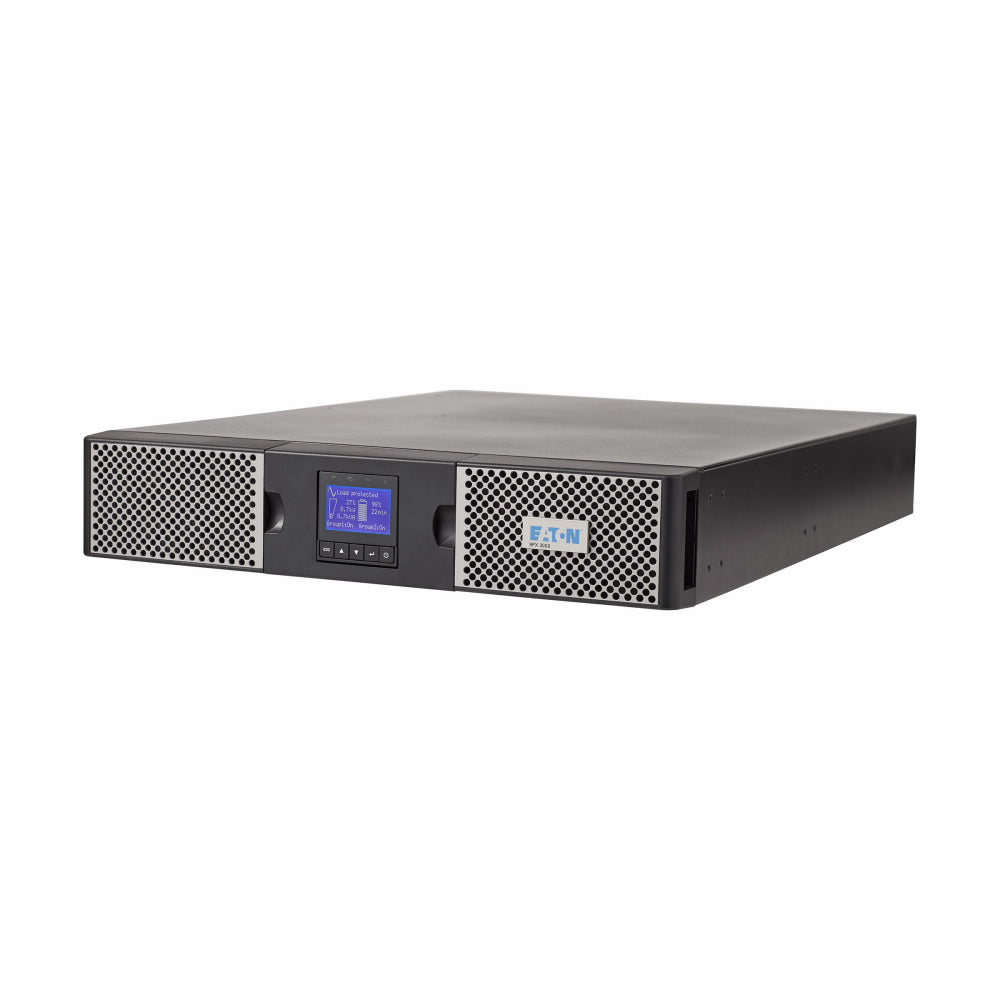
- New and pre-owned UPS systems
- Scalable three-phase solutions
- Lithium and VRLA battery options
- Network cards & monitoring solutions
- Replacement batteries and extended runtime cabinets
Whether you’re upgrading, expanding, or planning ahead, we help ensure your power protection strategy keeps pace with your operational growth.
Contact CP Warehouse Today and let us help you prepare for your facility growth and expansion!