As businesses grow, so do their power demands. What once worked for a small server room or office network can quickly become inadequate as more equipment, data, and infrastructure are added. Yet many companies make the same costly mistake when upgrading their power protection strategy: they choose a UPS system based only on today’s needs instead of planning for future growth.
Understanding the difference between a single-phase UPS and a three-phase UPS is one of the most important steps in building reliable, scalable power infrastructure. Choosing the wrong system can lead to inefficiency, downtime, expensive upgrades, and reduced equipment lifespan.

Understanding Single-Phase UPS Systems
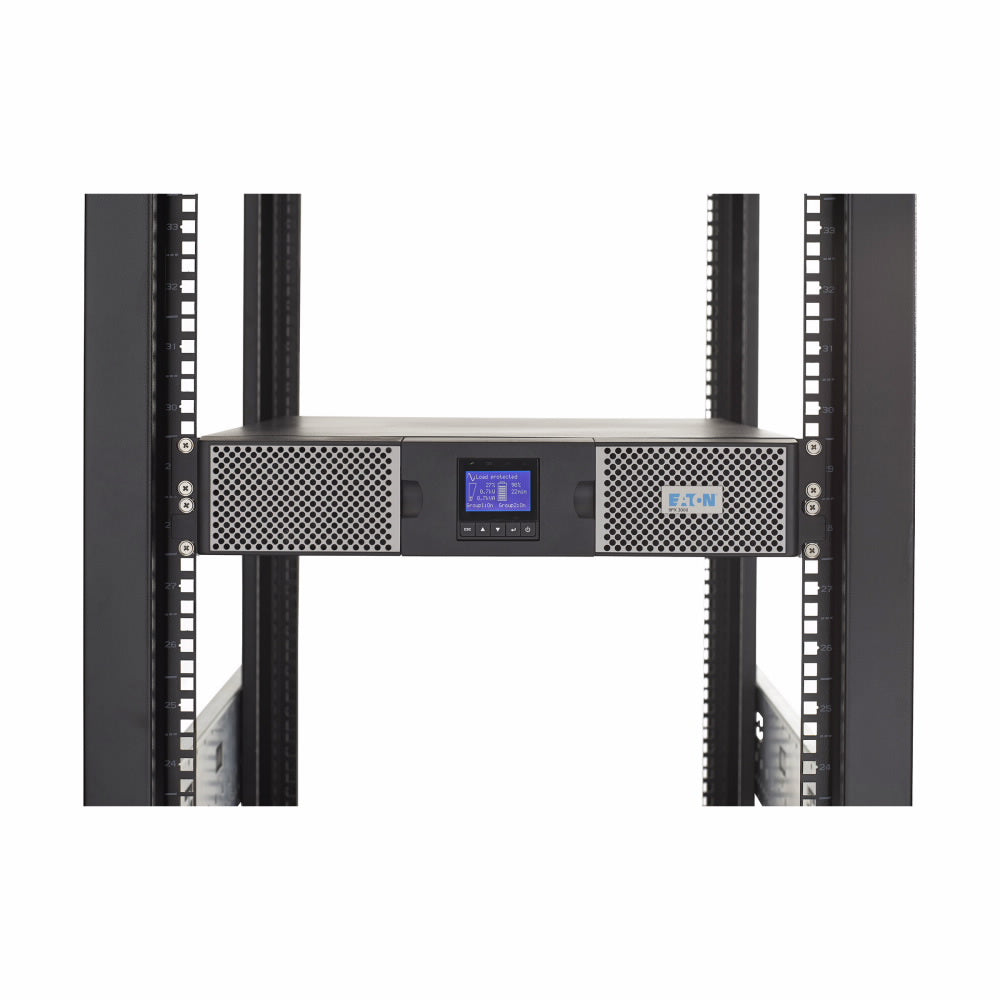
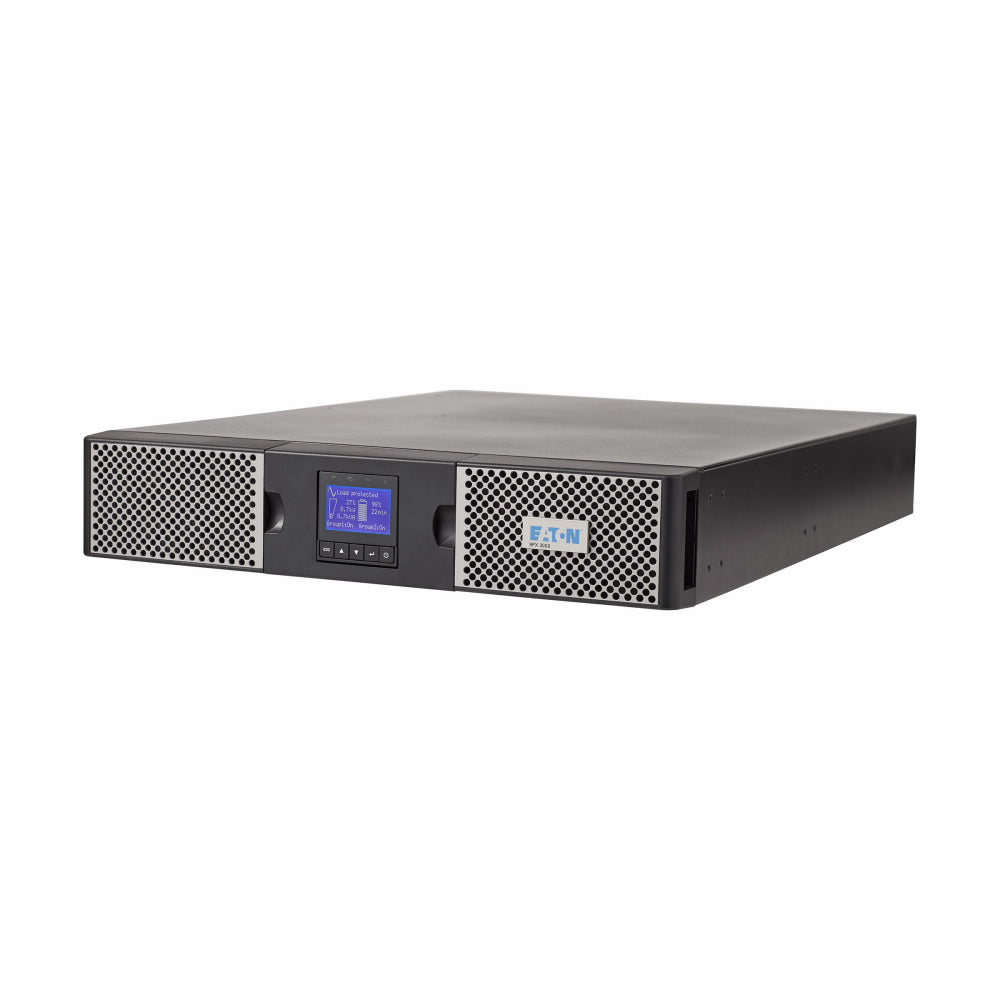
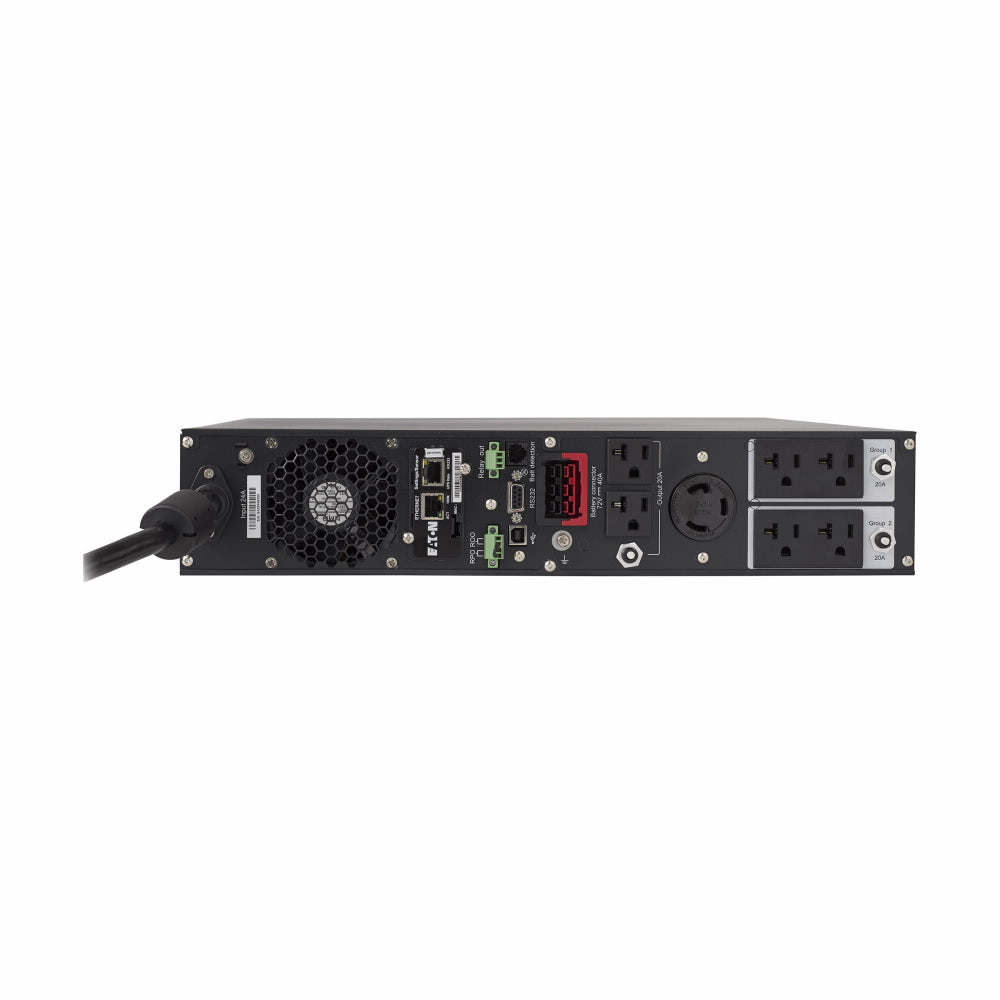
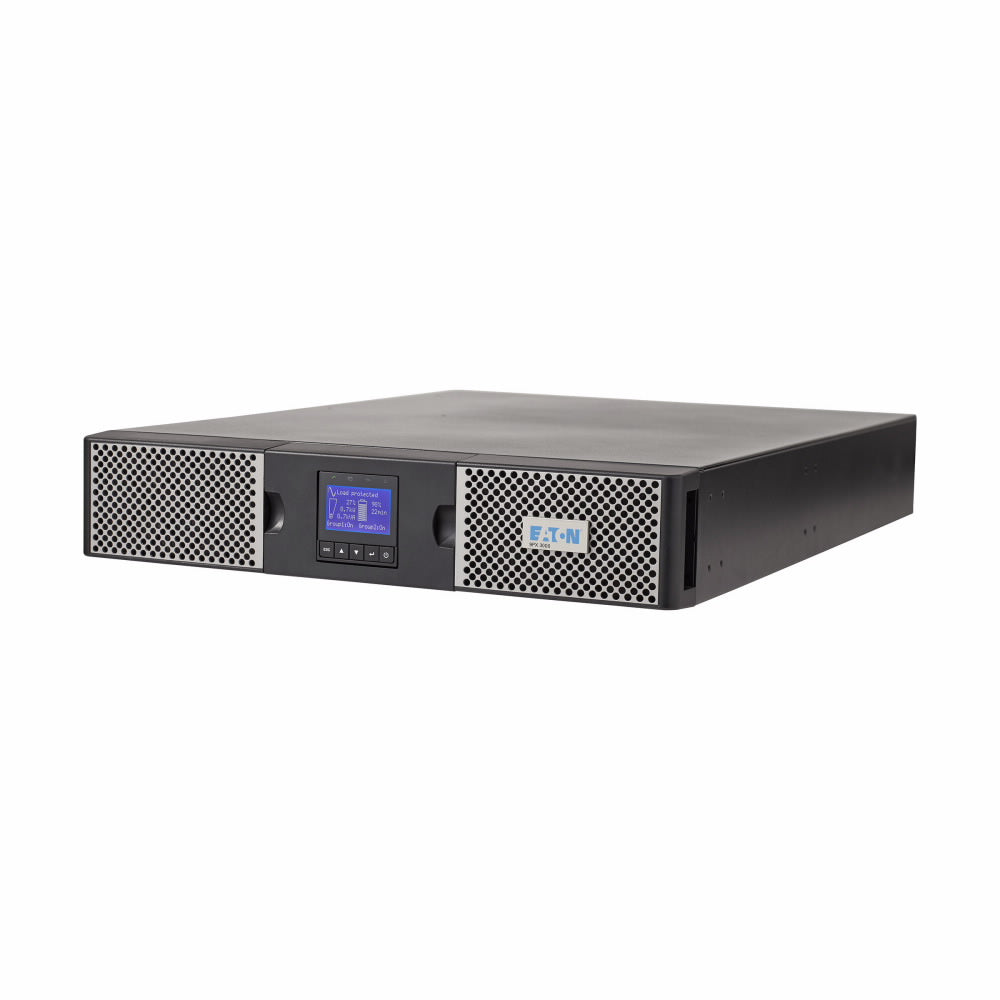
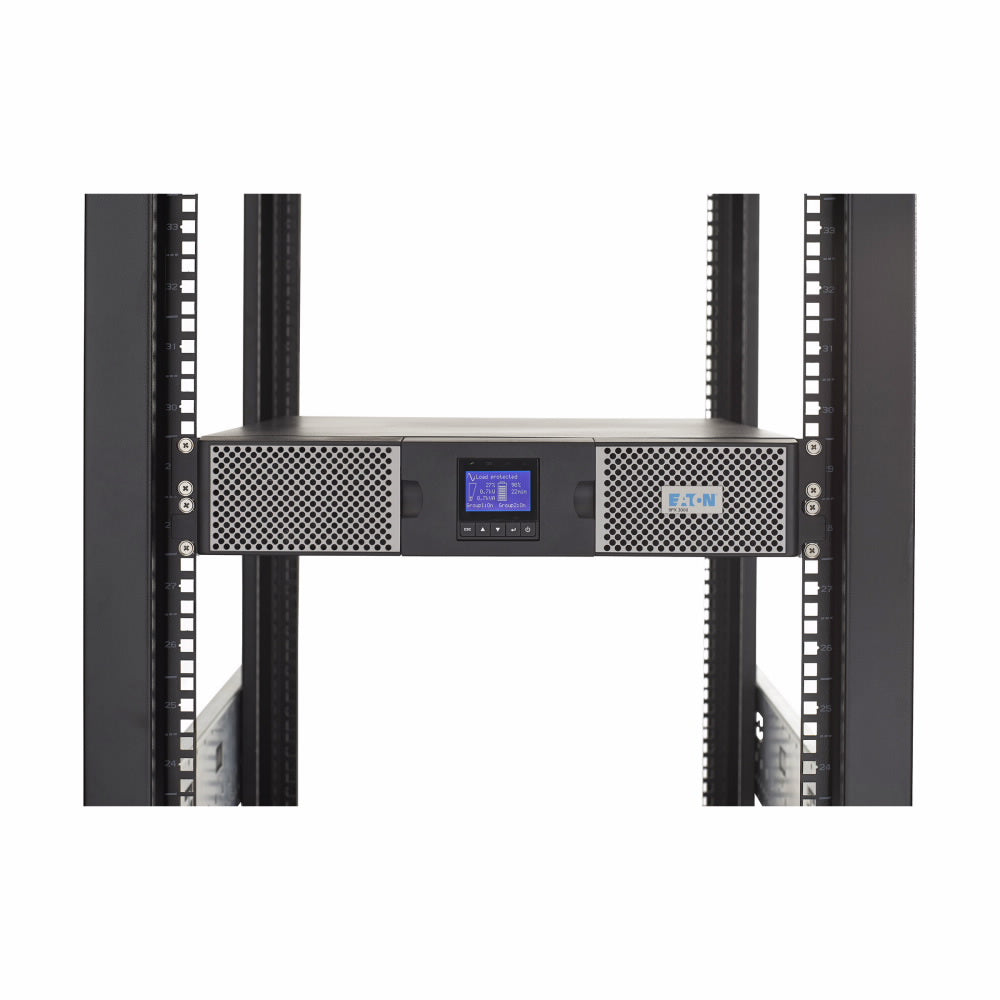
Single-phase UPS systems are commonly found in smaller commercial and IT environments. They are designed for lighter electrical loads and are often used to protect network closets, retail systems, telecom equipment, workstations, and small server rooms. Because they are simpler in design, they are typically easier to install and more affordable upfront.
For many smaller businesses, a single-phase UPS provides the right balance of protection and cost efficiency. However, problems begin when businesses continue growing while relying on infrastructure that was never designed to scale with increasing demand.
What Makes Three-Phase UPS Different?
Three-phase UPS systems are built for larger, more demanding applications where uptime is critical. Instead of delivering power through a single waveform, they distribute power across three waveforms, allowing for smoother and more efficient power delivery.
This makes three-phase UPS systems ideal for environments like data centers, healthcare facilities, manufacturing operations, laboratories, and enterprise IT infrastructure. As operations expand, these systems provide the scalability and redundancy needed to support larger electrical loads without sacrificing reliability.
Modern three-phase UPS systems are also increasingly modular, allowing businesses to add capacity as their infrastructure grows instead of replacing the entire system later.
The Biggest Mistake Growing Businesses Make
One of the most common UPS mistakes is underestimating future growth. A business may install a single-phase UPS to support a few servers and networking devices, only to find themselves adding additional racks, cooling systems, security infrastructure, and edge computing equipment within a few years.
As power demands increase, the original UPS system can become overloaded or inefficient. Businesses often respond by adding multiple smaller UPS systems throughout the facility, which can create maintenance challenges and uneven power protection.
At that point, upgrading becomes far more expensive than if scalability had been considered from the beginning.
Why UPS Scalability Matters
Downtime is no longer just an inconvenience. For many organizations, even a short interruption can lead to lost productivity, disrupted operations, damaged equipment, or lost revenue.
As businesses rely more heavily on connected technologies, cloud infrastructure, automation, and digital operations, power continuity becomes increasingly important. A UPS system should not only protect against outages today but also support future operational demands.
That is why many growing organizations are investing in scalable UPS systems with higher efficiency ratings, lithium-ion battery compatibility, and modular expansion capabilities.
When a Single-Phase UPS Still Makes Sense
Despite the advantages of three-phase systems, bigger is not always better. Many small businesses and branch offices simply do not require the capacity of a three-phase UPS. In these situations, a properly sized single-phase UPS can still deliver reliable backup power while keeping installation and operating costs lower.
The key is matching the UPS system to both your current infrastructure and your expected growth over the next several years.
A business protecting a small office network has very different requirements than a healthcare facility running critical equipment or a data center supporting continuous operations.
Choosing the Right UPS for Long-Term Reliability
Selecting the right UPS system requires more than simply calculating load size. Businesses should evaluate their future expansion plans, runtime requirements, facility infrastructure, redundancy needs, and operational risks.
The right solution can improve uptime, increase efficiency, extend equipment life, and reduce the risk of costly interruptions. The wrong solution can create limitations that become increasingly expensive as operations grow.
At Critical Parts Warehouse, we help organizations find the right UPS solutions for their applications, infrastructure, and growth goals.
From compact single-phase systems to scalable three-phase UPS solutions, our team works with businesses across healthcare, data center, industrial, and enterprise environments to build dependable power protection strategies.
Contact us today! Let us know how we can help!