As temperatures rise and computing demands continue to grow, heat has become one of the most serious threats facing modern data centers, server rooms, and network environments.
Excessive heat does more than make equipment run warm. It can shorten the lifespan of critical hardware, reduce UPS battery runtime, increase cooling costs, and create unexpected downtime.
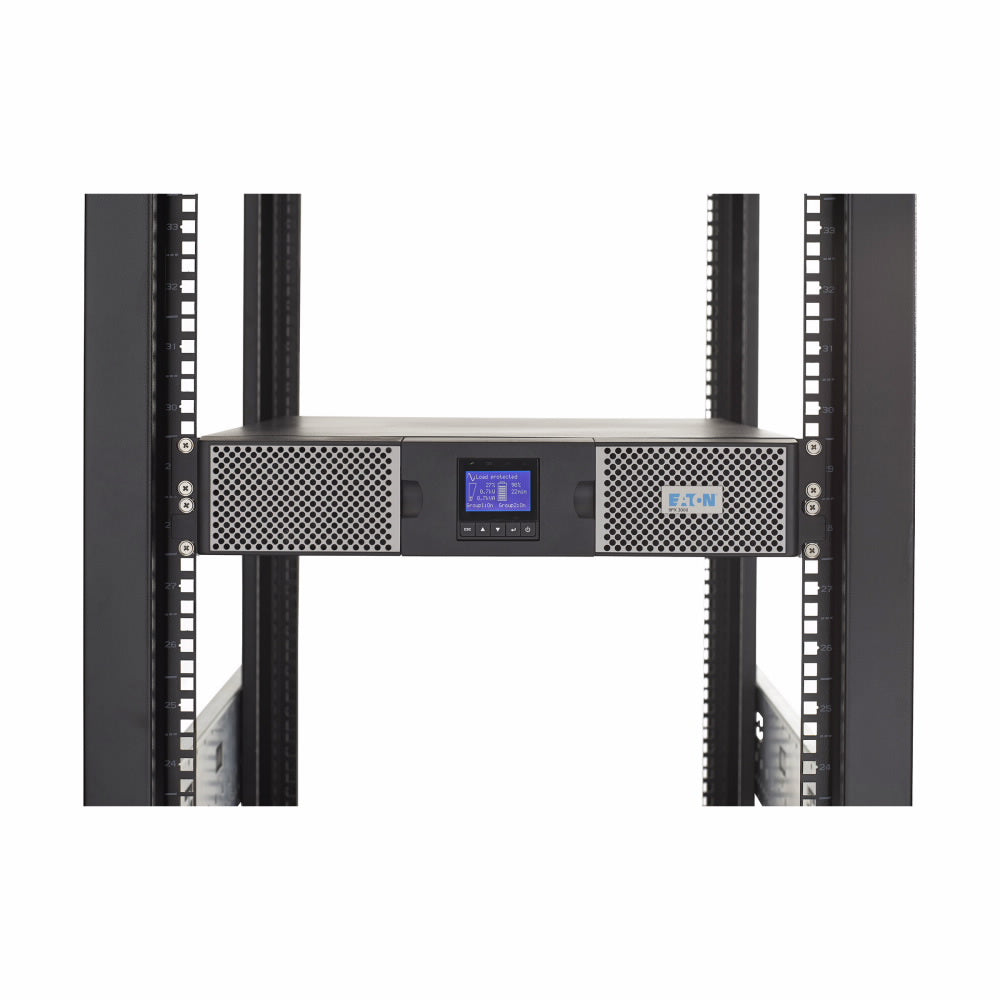
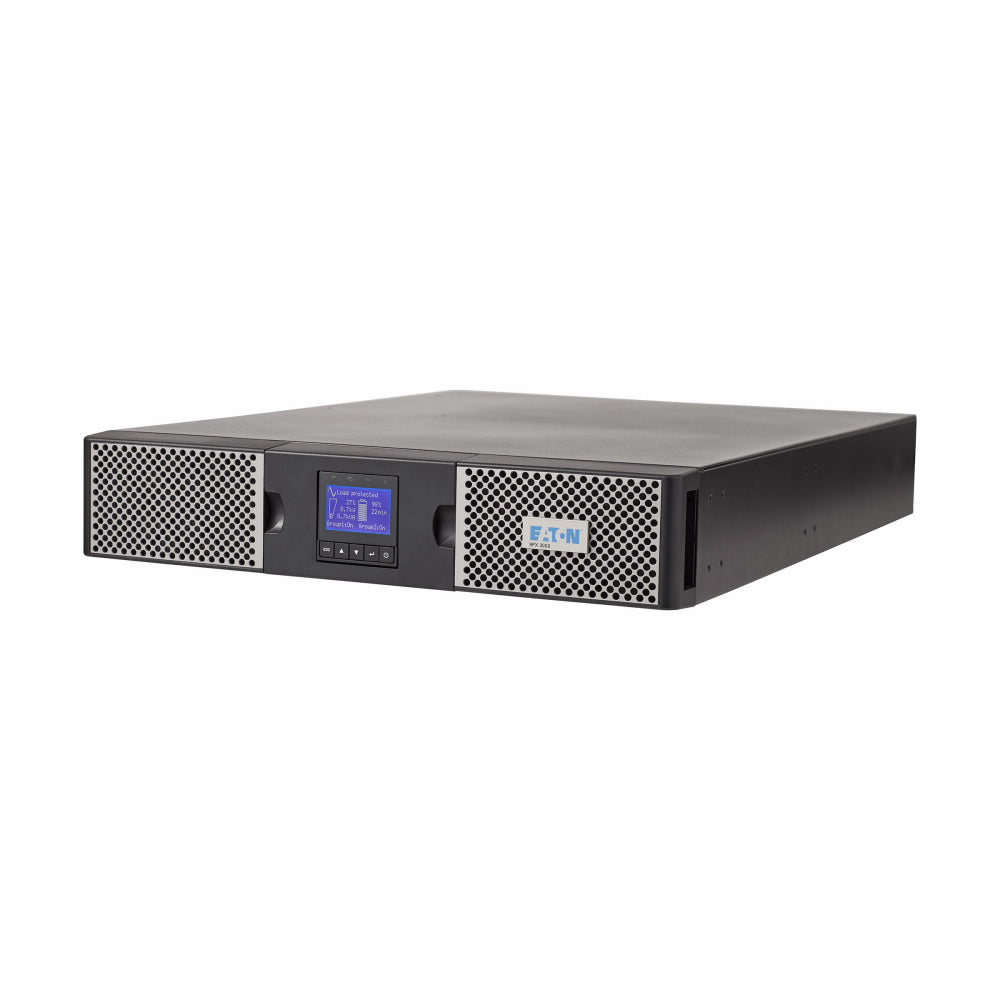
At the center of your backup power strategy is the UPS system. If heat compromises your UPS, the systems it protects may also be at risk.
At CP Warehouse, we help businesses nationwide evaluate UPS systems, batteries, and backup power solutions designed to support reliable uptime in demanding environments.
Why Heat Is a Growing Issue for Data Centers
Today’s environment generates significant heat due to:
- High-density server racks
- Continuous processing loads
- Storage systems operating 24/7
- Network switches and communications gear
- Limited space in server rooms or IT closets
Even a modest temperature increase can affect performance and reliability if cooling and airflow are not properly managed.
How Heat Impacts Critical Infrastructure
Reduced Equipment Lifespan
Heat accelerates wear on internal components such as:
- Servers
- Networking hardware
- Power distribution units (PDUs)
- UPS electronics
- Cooling system components
The hotter equipment runs, the faster components may degrade, often leading to increased maintenance costs and earlier replacement cycles.
UPS Battery Degradation
UPS batteries are one of the most temperature-sensitive components in the room.
Typical Ideal Battery Temperature Range:
- 68°F to 77°F (20°C to 25°C)
As temperatures rise above recommended levels:
- Chemical aging speeds up
- Capacity can decline faster
- Runtime may be reduced
- Battery replacement frequency often increases
Example Temperature Impact on Battery Life
|
Ambient Temp:
|
Expected Battery Impact:
|
|
|
|
|
|
|
When batteries fail early, your UPS may not deliver the runtime you expect during an outage.
Increased Risk of Downtime
Heat-related issues can lead to:
- Thermal shutdowns
- System throttling (reduced performance)
- Unexpected hardware failure
- UPS alarms or bypass events
- Reduced battery runtime during outages
For many organizations, even a brief outage can create:
- Lost productivity
- Revenue disruption
- Data loss
- Customer service issues
- SLA violations
Cooling System Overload
Cooling systems work harder during warm seasons and peak demand periods.
If cooling falls behind:
- Hot spots may develop
- Rack temperatures become uneven
- Airflow weakens
- Critical equipment can overheat quickly
In many environments, cooling issues become the first warning sign before a larger power problem appears.
Higher Energy Costs
As temperatures rise:
- Cooling systems consume more electricity
- UPS efficiency may decline under stress
- Overall facility operating costs increase
This can negatively impact your total cost of ownership over time.
Why Your UPS System Is Especially Vulnerable
Your UPS is designed to protect your equipment during unstable power conditions. However, heat can compromise the UPS itself.
Common risks include:
- Shortened battery life
- Overheated internal electronics
- Fan failures
- Reduced runtime capacity
- Increased likelihood of shutdown or bypass
If the UPS fails during a utility outage, the equipment depending on it may be left exposed.
Warning Signs of Heat Stress
Watch for these common indicators:
- Rising room temperatures
- Hot spots near racks or battery cabinets
- Frequent UPS alarms
- Battery warnings
- Increased fan noise
- Lower runtime during testing
- Equipment shutting down unexpectedly
Early attention can prevent much larger failures later.
How to Protect Your Data Center from Heat
Improve Cooling and Airflow
- Use hot aisle / cold aisle strategies when possible
- Maintain proper rack spacing
- Keep vents and intake paths clear
- Remove clutter blocking airflow
Monitor Temperature in Real Time
Use environmental monitoring tools to track:
- Room temperature
- Rack-level heat zones
- Humidity levels
- UPS system status
Real-time monitoring often catches issues before downtime occurs.
Maintain Your UPS System
Preventive maintenance may include:
- Battery testing
- Battery replacement planning
- Thermal inspections
- Load verification
- Runtime testing
- Fan checks
Consider Modern UPS Upgrades
Depending on your environment, newer solutions may offer advantages such as:
- Higher operating efficiency
- Better monitoring capabilities
- Lithium-ion battery options
- Improved scalability
- Reduced maintenance requirements
The Bottom Line
Heat is not just a comfort issue. It is a direct threat to uptime, battery life, equipment longevity, and operating cost.
Without proper planning, monitoring, and maintenance, your UPS system may fail when it is needed most.
Whether you operate a dedicated data center, server room, or network closet, protecting backup power equipment from heat should be part of your overall infrastructure strategy.
Need Help Evaluating Your UPS Environment?
At CP Warehouse, we help organizations nationwide with new UPS systems, replacement batteries, refurbished solutions, and backup power planning.
Whether you are planning an upgrade or addressing an immediate need, our team can help you determine the right solution for your environment.
Get in touch with us today!
Email: info@cpwarehouse.com
Call: 608-630-9522