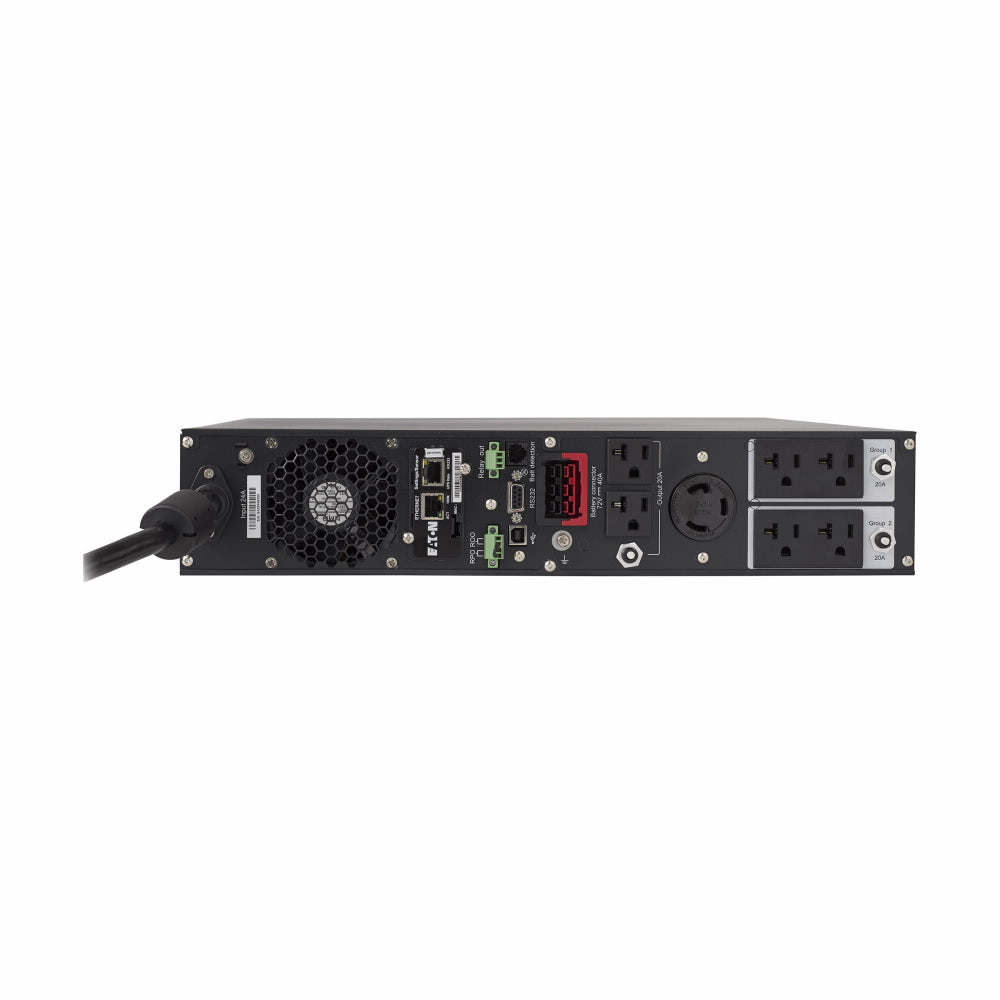
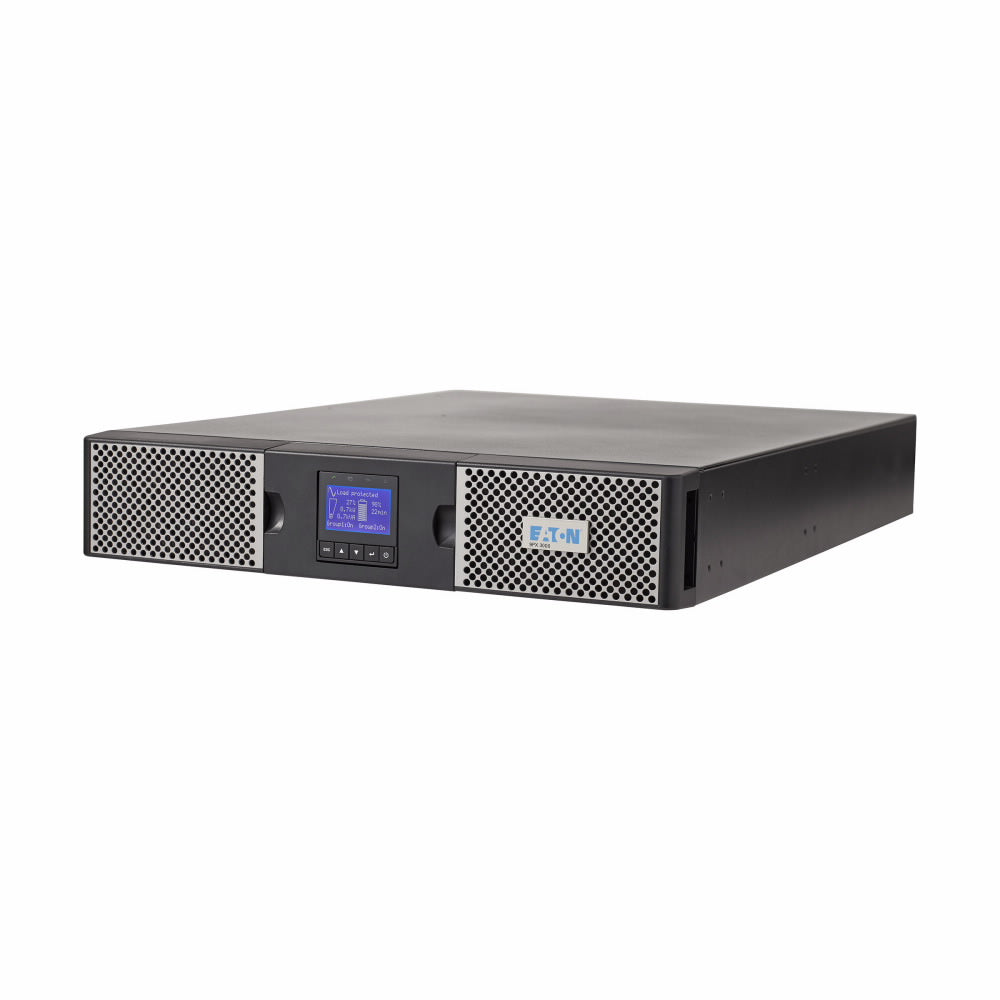
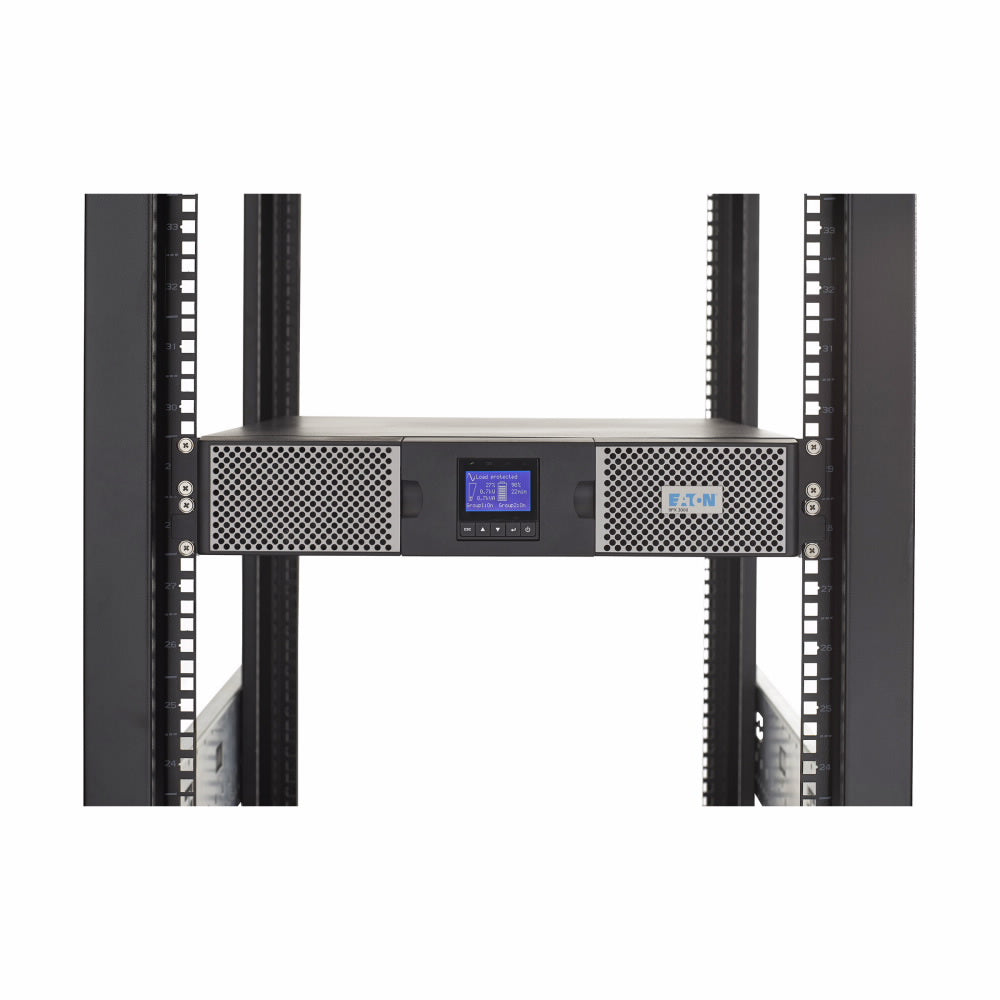
When shopping for an uninterruptible power supply (UPS), one of the first questions buyers ask is, "How long will it keep my equipment running?" While runtime is an important specification, it isn't the only factor that determines whether a UPS is right for your application. A UPS spends far more time protecting equipment from everyday power disturbances like voltage fluctuations, brownouts, surges, and electrical noise than it does operating during a full power outage. Focusing only on runtime can result in purchasing a system that doesn't provide the level of protection your business actually needs.

How Much UPS Runtime Do You Really Need?
The amount of runtime you need depends entirely on your equipment and what you're trying to accomplish during a power outage. Many businesses only require five to fifteen minutes of battery backup, just enough time to save work, perform an orderly shutdown, or bridge the gap until a backup generator starts.
Other applications, such as healthcare facilities, industrial automation, telecommunications, and data centers, may require extended runtime to maintain continuous operation. Instead of asking for the longest runtime possible, it's better to determine how much runtime your specific application truly requires.
Why Proper UPS Sizing Matters More Than Battery Runtime
One of the most common mistakes when purchasing a UPS is assuming that bigger batteries automatically mean better protection. In reality, selecting the proper UPS capacity is often more important than adding extra runtime. A UPS must be sized for both its VA and watt ratings while leaving room for future equipment growth. An undersized UPS may overload immediately, while an oversized unit can increase costs without providing additional value. Choosing the correct capacity ensures your system operates efficiently while delivering dependable backup power when it's needed most.
How UPS Topology Affects Power Protection
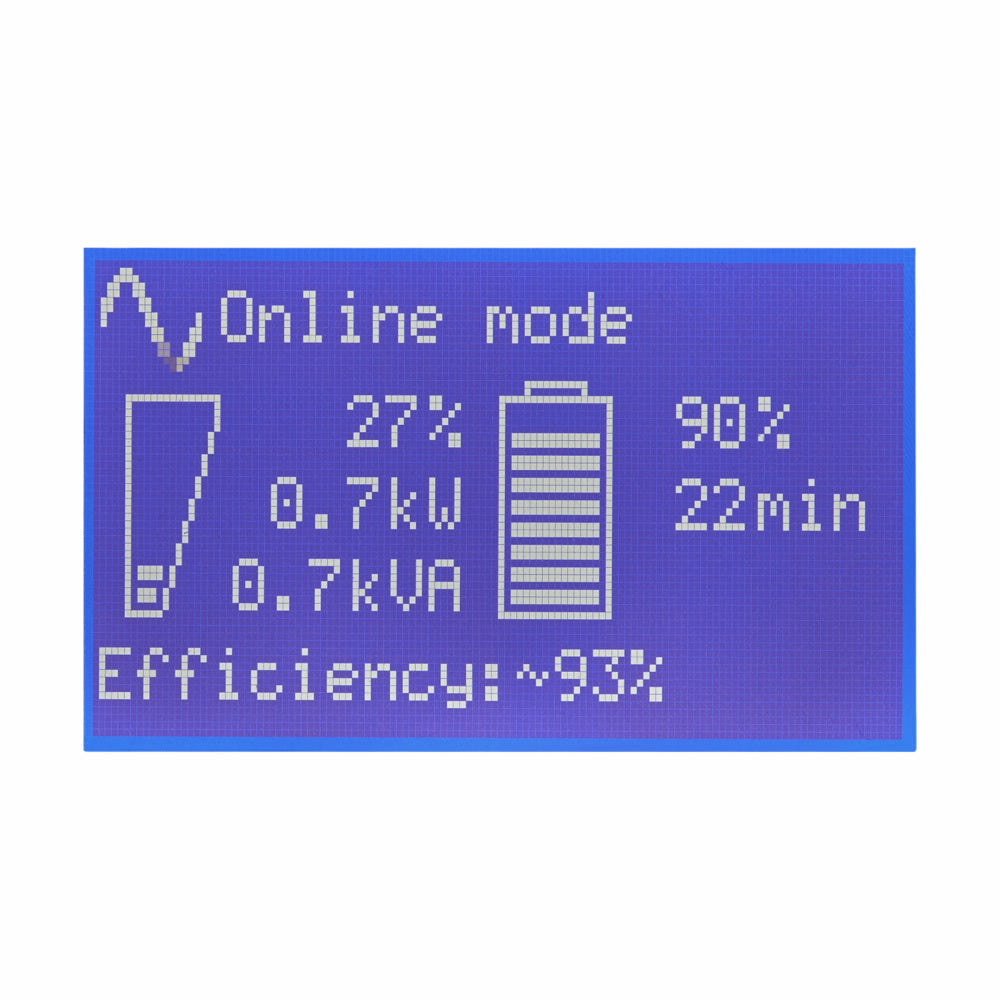
Not every UPS protects equipment the same way. Standby UPS systems provide basic backup for home electronics, while line-interactive UPS units help regulate minor voltage fluctuations common in small offices. For mission-critical environments like hospitals, manufacturing facilities, network closets, and data centers, an online double-conversion UPS continuously supplies clean power and eliminates transfer time during an outage. In many cases, investing in a higher-quality UPS topology provides significantly more protection than simply purchasing additional battery runtime.
Does Battery Technology Make a Difference?
Battery technology has a major impact on the long-term performance and maintenance costs of a UPS. Traditional sealed lead-acid batteries remain a cost-effective option, but they generally require replacement every three to five years and can lose lifespan quickly when exposed to high temperatures.
Lithium-ion UPS batteries offer longer service life, faster recharge times, lower maintenance requirements, and a smaller footprint. Although the initial investment is higher, many businesses find lithium-ion systems provide a lower total cost of ownership over the life of the UPS.
Can Your UPS Grow with Your Business?
Many organizations underestimate how quickly their power requirements change. As servers, networking equipment, and critical infrastructure expand, your UPS should be able to grow as well. Many enterprise UPS systems support additional battery cabinets or modular power expansion, allowing businesses to increase runtime or capacity without replacing the entire system. Planning for future growth can reduce long-term costs and simplify future upgrades.
What Should You Look for Besides Runtime?
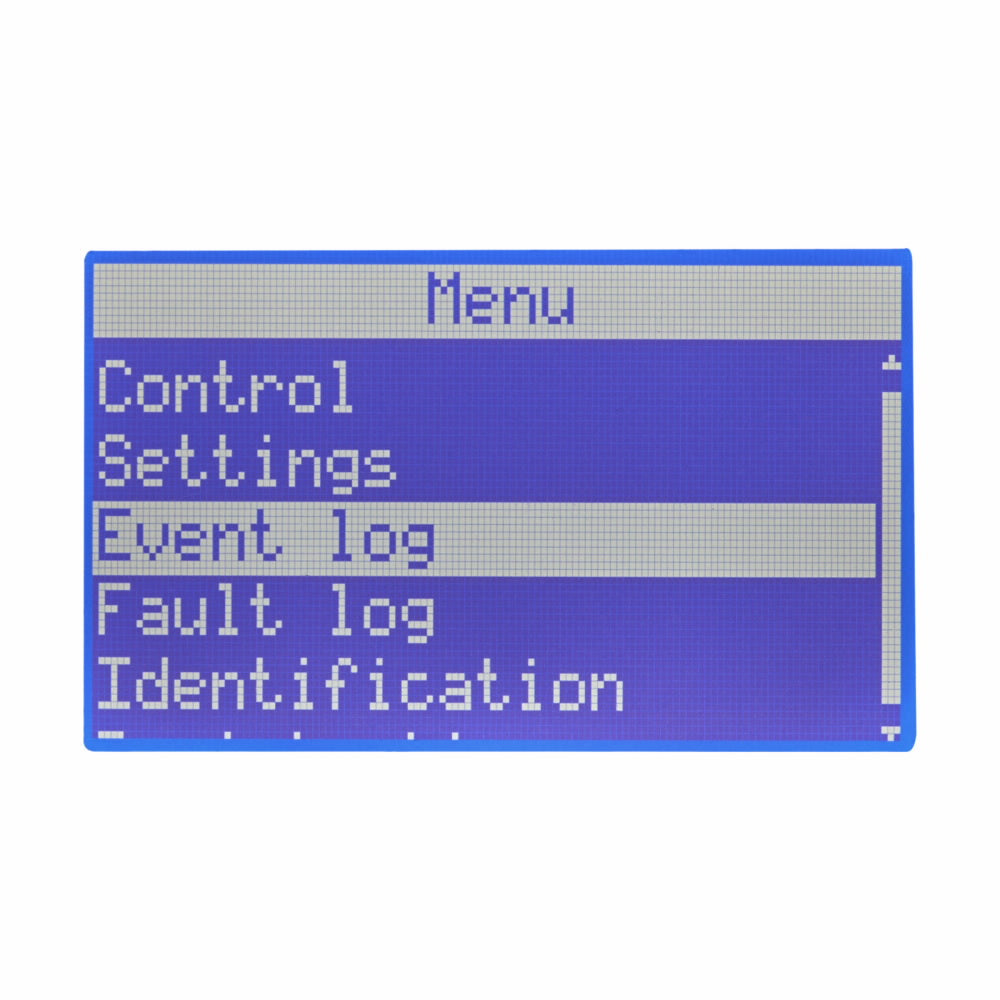
Reliability is often the most valuable feature of any UPS. Intelligent battery monitoring, automatic self-testing, remote management, and predictive maintenance alerts help ensure your UPS is ready when a power event occurs. These features reduce downtime, simplify maintenance, and give facility managers confidence that critical systems will remain protected. A dependable UPS with ten minutes of runtime is often far more valuable than a larger battery backup that lacks advanced monitoring or high-quality power conditioning.
Choosing the Right UPS for Your Application
The best UPS isn't necessarily the one with the longest runtime, it's the one that matches your equipment, power requirements, and business goals. Before making a purchase, consider your electrical load, desired runtime, future expansion plans, battery technology, and the level of power protection your equipment requires. By evaluating all of these factors together, you'll invest in a UPS that delivers reliable performance, minimizes downtime, and protects your critical equipment for years to come.
If you're unsure which UPS best fits your application, our experts at CP Warehouse can help you select the right solution based on your runtime requirements, equipment load, and budget. CLICK HERE!