A UPS, or uninterruptible power supply, is designed to keep critical equipment powered when utility power fails, fluctuates, or becomes unstable. But like any piece of electrical equipment, a UPS requires regular maintenance to continue operating reliably.
UPS maintenance is more than checking whether the unit is currently working. Preventive UPS maintenance helps identify aging batteries, worn components, connection issues, cooling problems, and other potential failures before they become an unexpected power problem.
For businesses, data centers, healthcare facilities, schools, industrial facilities, and other environments that depend on continuous power, regular UPS preventative maintenance can be an important part of an overall power protection strategy.

What Is UPS Maintenance?
UPS maintenance is the process of inspecting, testing, cleaning, and evaluating an uninterruptible power supply and its supporting components.
Depending on the UPS system, application, age, and manufacturer recommendations, maintenance may include:
- Visual and mechanical inspection
- UPS battery inspection and testing
- Electrical measurements
- Inspection of connections and wiring
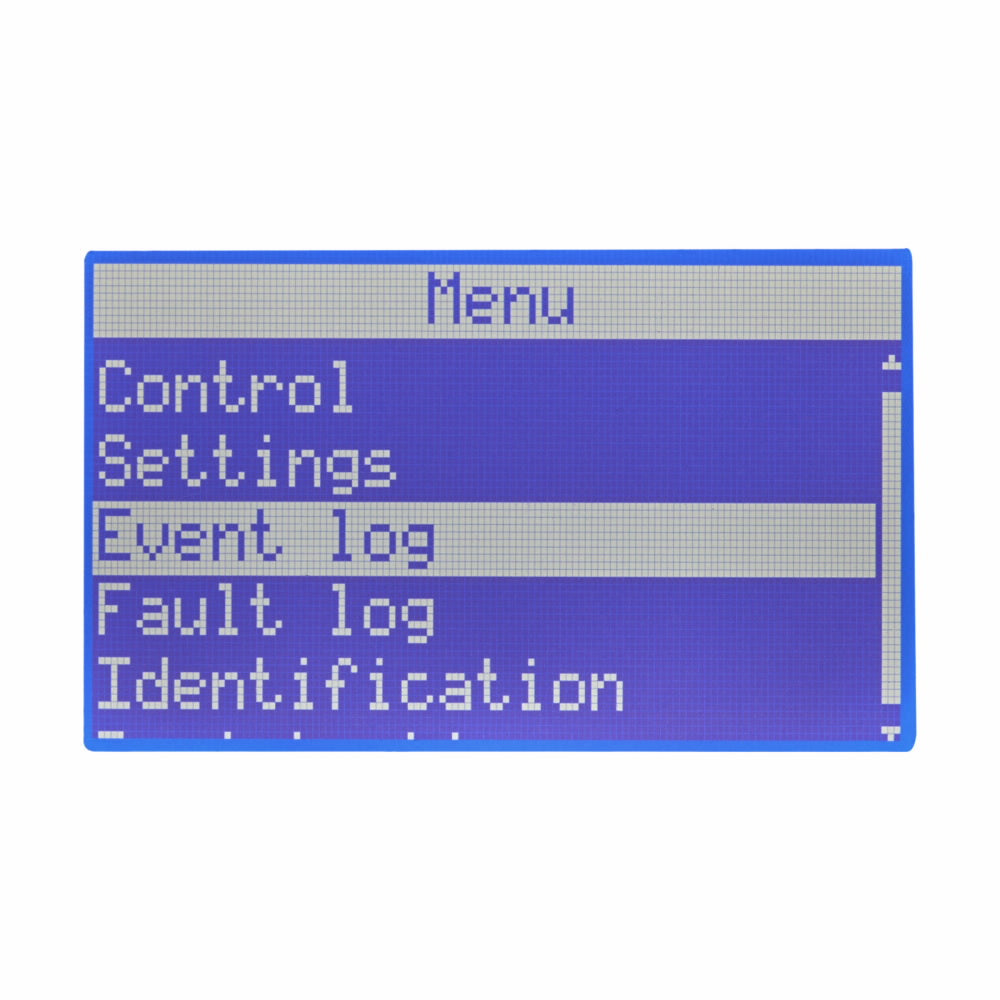
- Review of alarms and event history
- UPS self-testing
- Inspection of fans and cooling components
- Capacitor evaluation
- Inspection of battery cabinets and connections
- Cleaning and general equipment inspection
- Identification of worn or aging components
- Recommendations for replacement or corrective maintenance
Manufacturer service guidance commonly emphasizes scheduled preventive maintenance because batteries, capacitors, fans, and other UPS components can degrade over time.
Why Is UPS Preventative Maintenance Important?
The biggest reason to maintain a UPS is simple: you do not want to discover a problem when the power goes out.
A UPS can appear to be operating normally while an internal component or battery system is approaching the end of its useful life. Preventive maintenance gives facility and IT teams an opportunity to identify potential problems while the equipment is still operating under normal conditions.
Regular UPS preventive maintenance can help:
- Identify battery degradation
- Detect worn or aging components
- Find connection or electrical issues
- Evaluate UPS operating condition
- Identify cooling or ventilation concerns
- Plan component replacements
- Reduce the likelihood of unexpected equipment failure
- Support longer equipment service life
- Improve confidence in backup power availability
For critical applications, finding a problem during scheduled maintenance is generally preferable to finding it during an outage.
UPS Battery Maintenance Is a Critical Part of UPS Maintenance
The battery system is one of the most important parts of a battery-backed UPS.
When utility power is available, the UPS can operate normally while keeping its batteries charged. During a power interruption, the batteries provide the stored energy needed to support the connected load.
That means a UPS can show no obvious problems during normal operation while still having batteries that cannot provide the expected runtime.
UPS battery maintenance may include visual inspection, voltage measurements, resistance or impedance testing, connection inspection, and other testing appropriate for the battery technology and UPS system.
Battery condition can be affected by age, operating temperature, storage conditions, cycling, and other environmental factors.
If testing indicates that batteries are approaching the end of their service life, UPS battery replacement can be scheduled before the existing batteries become a critical failure point.
How Long Do UPS Batteries Last?
UPS battery life depends on several factors, including battery chemistry, operating temperature, cycling, storage conditions, and the equipment application.
Many commonly used VRLA UPS batteries have a typical service life of approximately three to five years under appropriate operating conditions, although actual battery life can vary.
Temperature is especially important. Excessive heat can accelerate battery aging, which is one reason the environment surrounding a UPS and its battery cabinets should be considered during routine maintenance.
Rather than replacing batteries based only on age, regular inspection and testing can help provide a better understanding of their actual condition and help facilities plan replacements.
What Components Should Be Checked During UPS Maintenance?
A UPS is made up of more than just the batteries. Preventive maintenance should consider the complete system.
UPS Batteries
Battery condition should be evaluated regularly because battery failure can prevent a UPS from providing its expected backup runtime.
Capacitors
UPS capacitors are important components within the power conversion system and can degrade with age. A maintenance inspection can help identify components approaching the end of their expected service life.
Cooling Fans
Fans help maintain appropriate operating temperatures inside the UPS. Worn or failed fans can contribute to overheating and equipment problems.
Electrical Connections
Loose, damaged, or deteriorated connections can affect UPS performance and create additional electrical concerns.
Controls and Alarms
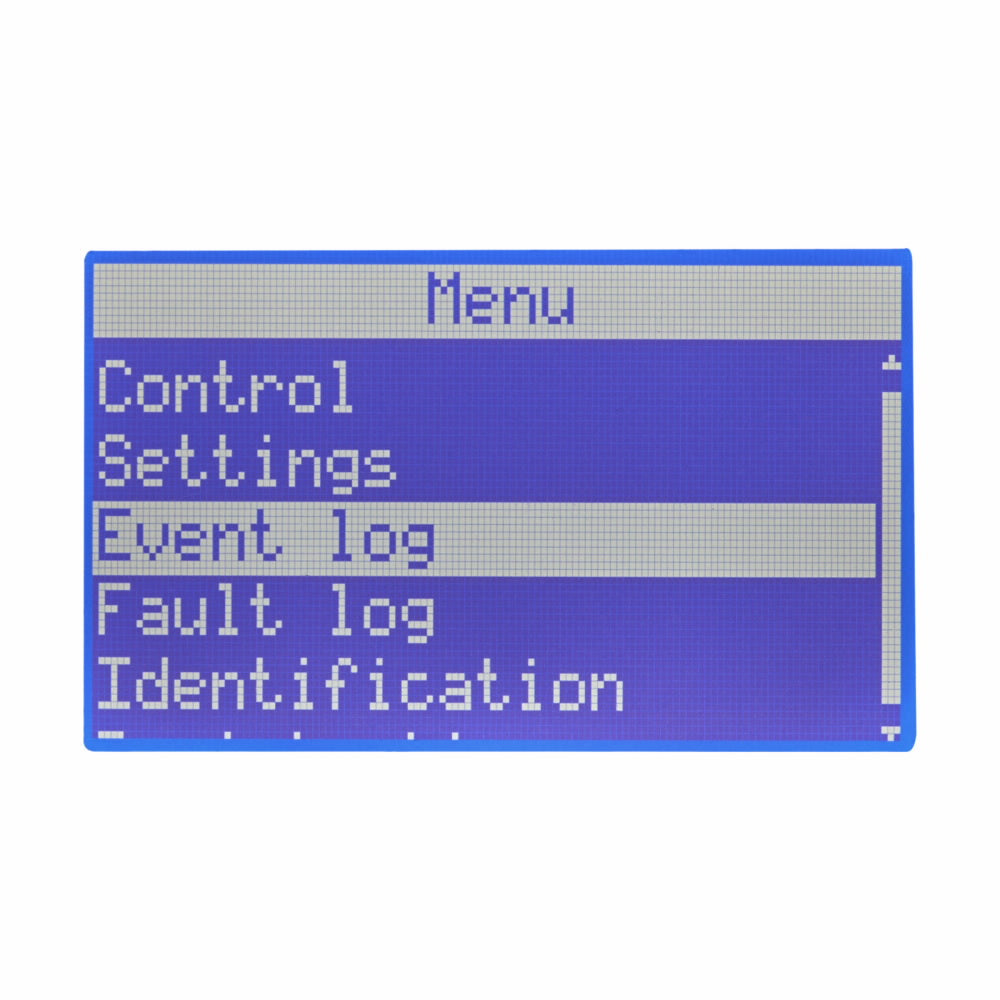
Reviewing alarms, event history, and system indicators can help identify recurring issues that may not be obvious from a basic visual inspection.
UPS Cabinet and Environment
Dust, debris, restricted airflow, excessive heat, and other environmental conditions can affect UPS operation. Keeping the surrounding area clean, cool, and properly ventilated is an important part of maintaining critical power equipment.
Manufacturer service guidance specifically identifies batteries, capacitors, fans, and other components as areas where preventive maintenance and planned replacement can support UPS reliability.
How Often Should a UPS Be Serviced?
There is no single maintenance schedule that applies to every UPS.
The appropriate frequency depends on factors such as:
- UPS manufacturer recommendations
- UPS size and type
- Single-phase vs. three-phase equipment
- Battery type and age
- Operating environment
- Load criticality
- Facility requirements
- Equipment history
- Applicable maintenance standards
- Whether the system is covered by a maintenance contract
Some critical facilities schedule UPS preventive maintenance annually or semiannually, while other applications may require a different maintenance strategy.
For mission-critical systems, a regular maintenance schedule can provide an opportunity to identify developing issues, document equipment condition, and plan replacements before a failure becomes an emergency.
What Is Included in a UPS Maintenance Service?
A professional UPS maintenance service can vary depending on the equipment and service provider, but a comprehensive maintenance visit may involve much more than simply looking at the UPS display.
A service visit may include inspection and testing of the UPS, battery system, connections, controls, cooling components, and other critical equipment.
Testing may also include reviewing operating measurements and UPS event history, performing system diagnostics, and identifying components that may require replacement or additional service.
The goal is to understand the condition of the system and identify potential maintenance needs before they turn into an unexpected outage.
UPS Maintenance vs. UPS Repair
It's important to understand the difference between preventive UPS maintenance and UPS repair.
Preventive maintenance is performed while the equipment is operating with the goal of identifying potential problems before they cause a failure.
UPS repair is generally performed after a problem has already been identified or a component has failed.
For example, discovering that a UPS fan is nearing the end of its service life during scheduled maintenance allows the replacement to be planned. Discovering the failed fan because the UPS overheated during an outage is a very different situation.
Preventive maintenance is therefore about being proactive rather than waiting for an emergency.
When Should You Consider a UPS Maintenance Contract?
Facilities with critical loads may benefit from a UPS maintenance contract rather than relying on occasional service calls.
A full-service UPS maintenance contract can provide a structured approach to scheduled inspections, preventive maintenance, technical support, and identifying equipment that may require corrective action or replacement.
This can be particularly relevant for:
- Data centers
- Healthcare facilities
- Manufacturing facilities
- Schools and universities
- Financial institutions
- Telecommunications environments
- Commercial buildings
- Industrial facilities
- Server rooms
- Network and communications infrastructure
The right maintenance approach depends on the criticality of the equipment and the consequences of losing protected power.
Don't Wait Until the Power Goes Out
One of the easiest mistakes to make with a UPS is assuming that everything is fine because the UPS is currently running.
A UPS can provide clean power every day and still have batteries, capacitors, fans, or other components that are aging toward failure.
Regular UPS maintenance gives you the opportunity to find those issues before an actual power event puts the system to the test.
If your UPS is several years old, has recently experienced alarms, has aging batteries, or has not received preventive maintenance recently, it may be time to have the system evaluated.
CP Warehouse UPS Maintenance & Service
Here at CP Warehouse, we offer solutions for a range of UPS and critical power service needs, including UPS preventative maintenance, UPS battery replacement, UPS fan and capacitor replacement, and full-service UPS maintenance contracts. Generator preventative maintenance is also available. Click here to see our Services.
Whether you need routine UPS maintenance, replacement batteries, aging component replacement, or help determining what your UPS system needs, our team can help identify the appropriate service solution for your equipment.
Don't wait for the next outage to find out whether your UPS is ready.