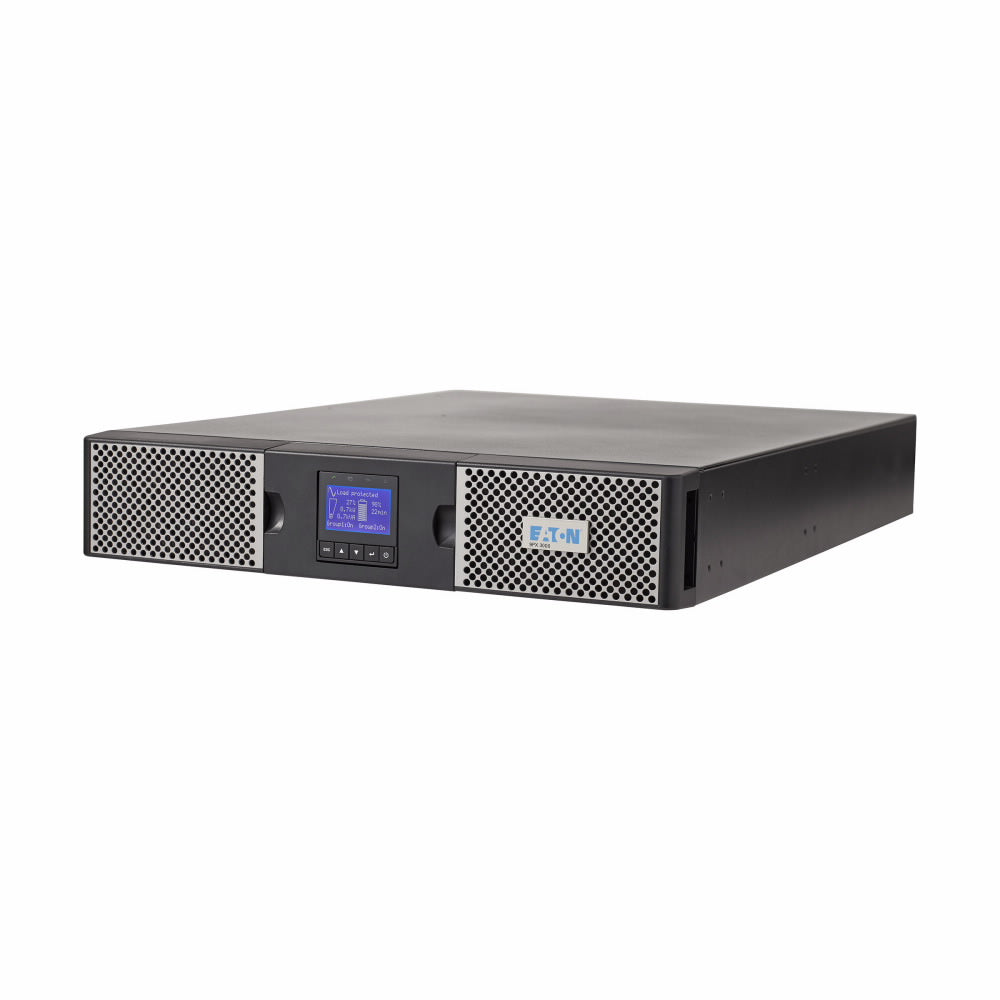
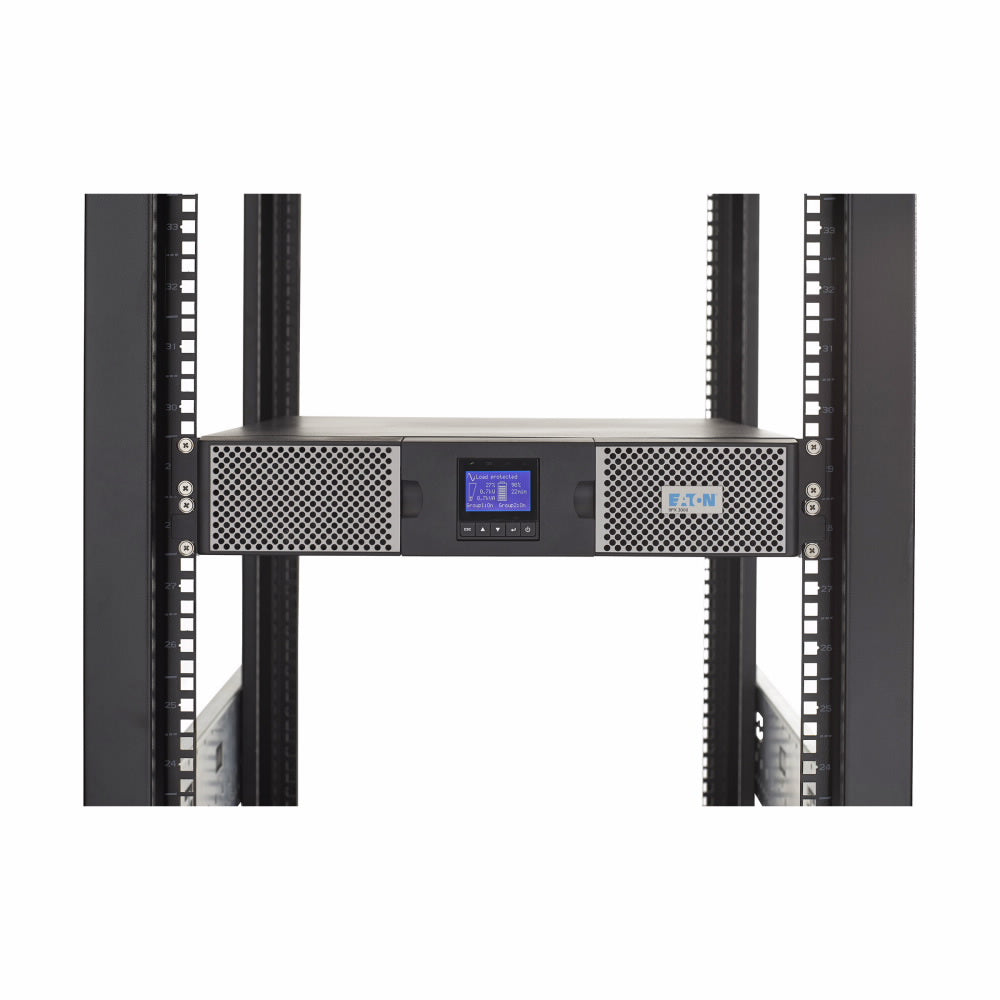
When it comes to protecting critical equipment, most people focus on the UPS itself, its capacity, runtime, and features. However, one of the biggest factors affecting reliability is something far less complicated: room temperature.
Whether you're protecting a server room, network closet, medical equipment, or industrial controls, the environment surrounding your UPS batteries plays a major role in determining how long they will last. In fact, a room that's consistently too warm can shorten battery life dramatically, increasing replacement costs and raising the risk of unexpected downtime.
Understanding why temperature matters can help businesses maximize the return on their backup power investment while avoiding premature battery failures.

Why Temperature Matters So Much
UPS batteries are electrochemical devices, meaning they rely on chemical reactions to store and deliver energy. These reactions are highly sensitive to temperature. Manufacturers typically rate lead-acid batteries, the most common type used in UPS systems, at an ambient temperature of around 77°F (25°C). Under these conditions, batteries are expected to deliver their full design life.
As temperatures rise, the chemical activity inside the battery increases. While this might sound beneficial, the increased activity actually causes internal components to age faster. Corrosion accelerates, water loss becomes more significant, and the battery gradually loses its ability to provide reliable backup power. In other words, heat acts like a fast-forward button on the aging process.
One of the most widely accepted rules in the critical power industry is that every increase of 18°F (10°C) above the recommended operating temperature can cut battery life in half. A battery expected to last five years in a properly cooled environment may only survive two to three years if exposed to excessive heat on a regular basis.
Heat Is the Silent Killer of UPS Batteries
Many battery failures don't happen because of defective products, they happen because the surrounding environment slowly damages the batteries over time.
Heat causes the internal lead plates to corrode more rapidly, which reduces battery capacity and reliability. Excessive temperatures can also lead to water loss inside sealed batteries, causing them to dry out and deteriorate. As this process continues, batteries may begin to swell or bulge, signaling severe internal damage. In extreme situations, overheating can even lead to thermal runaway, a condition where increasing temperatures feed upon themselves and result in catastrophic battery failure.
These issues often develop gradually and without obvious warning signs until runtime suddenly decreases or the UPS reports battery alarms. By that point, replacement is usually unavoidable.
Cold Temperatures Aren't Ideal Either
While excessive heat receives most of the attention, temperatures that are too low can also impact battery performance. Cold environments slow down the chemical reactions inside the battery, reducing its available capacity. During an outage, this means a battery may provide significantly less runtime than expected.
Although cooler temperatures generally help preserve battery lifespan better than excessive heat, extremely cold conditions can create operational issues and leave equipment with insufficient backup time when it's needed most. Maintaining a stable, controlled environment is far more important than simply keeping batteries as cool as possible.
Why This Matters in Real-World Installations
Many UPS systems are installed in spaces that weren't originally designed for sensitive battery equipment. Network closets, small server rooms, warehouses, mechanical rooms, and manufacturing facilities often experience temperature fluctuations throughout the year. Poor airflow, crowded racks, and inadequate cooling can create hot spots that expose batteries to temperatures well above their recommended operating range.
Even if the room itself feels comfortable, the temperature inside a UPS cabinet may be considerably warmer. Equipment operating nearby generates heat, and restricted airflow can trap that heat around the batteries. Over time, these conditions gradually reduce battery life and increase maintenance costs.
This is why organizations frequently encounter batteries that fail well before their expected replacement date. In many cases, environmental conditions—not the batteries themselves—are the root cause.
Protecting Your Investment
Maintaining room temperatures between 68°F and 77°F provides the best environment for most UPS batteries. Consistent temperatures help maximize service life and ensure the system performs as expected during a power outage. Proper ventilation, regular battery inspections, and preventative maintenance also play important roles in identifying potential issues before they become costly failures.
For facilities with demanding applications, remote monitoring and periodic battery testing can provide valuable insight into battery health and environmental conditions. Catching a temperature problem early is far less expensive than replacing an entire battery string unexpectedly.
Don't Let Room Temperature Shorten Your Battery Life
UPS batteries represent a significant portion of the total cost of owning a backup power system. Something as simple as elevated room temperatures can reduce battery life by years, increase replacement expenses, and expose critical equipment to unnecessary risk.
At CP Warehouse, we help businesses protect their investments with replacement batteries complete UPS systems, and expert guidance on reliable backup power. Whether you're replacing aging batteries or planning for future growth, understanding how temperature affects battery performance is one of the simplest ways to improve reliability and reduce downtime.
Contact our team for an in-depth look on you UPS needs or battery needs. Click HERE